
10 Villages in Kerala Where Tourism Hasn’t Changed Local Life Yet
- The village's location makes it ideal for travellers seeking genuine backwater experiences without crowds.
- The village market operates on its own schedule, opening when farmers arrive rather than at fixed hours.
- Travellers who include Kavilumpara in customised itineraries through Paradise Holidays do so to understand agricultural Kerala rather than tick off sights.
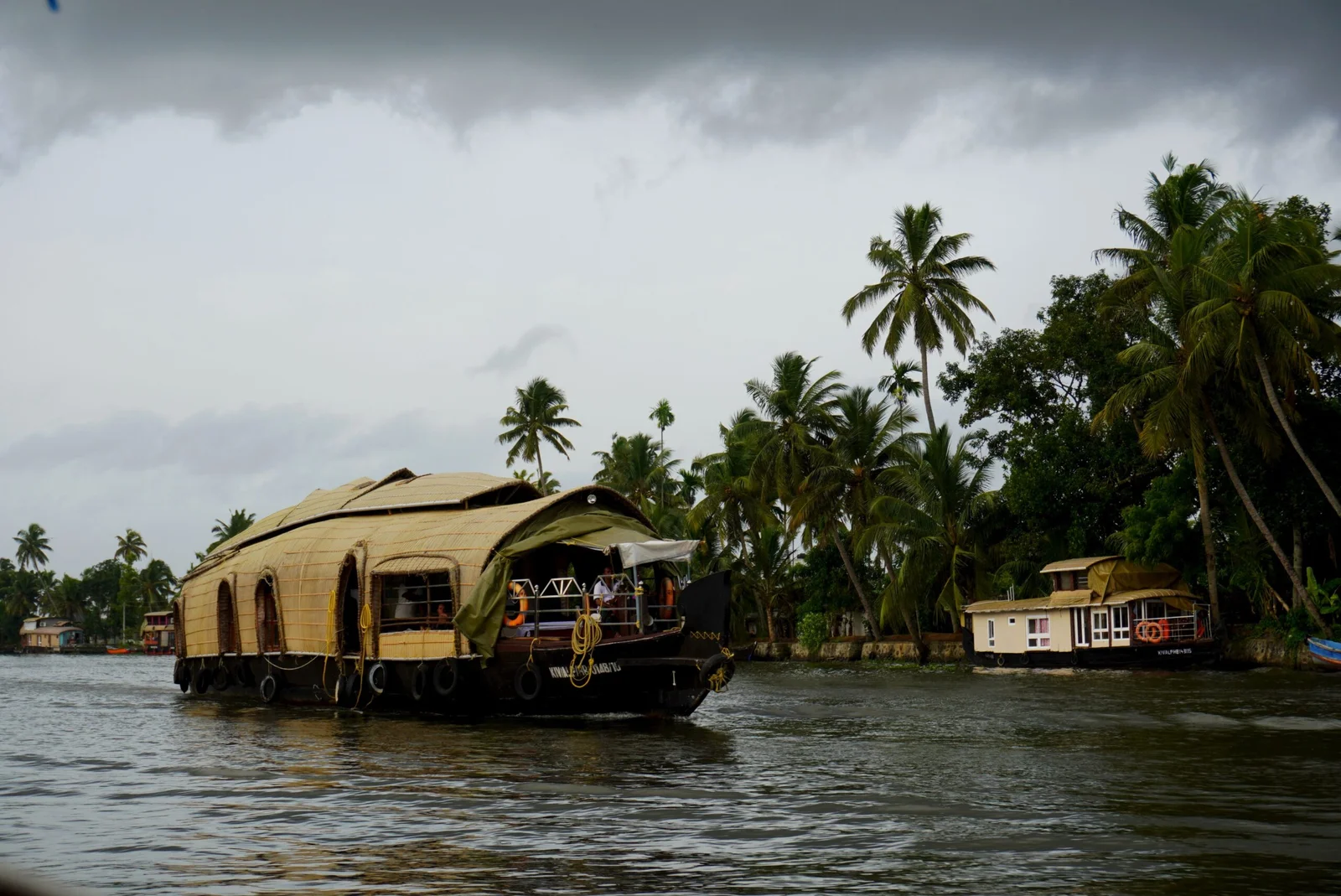
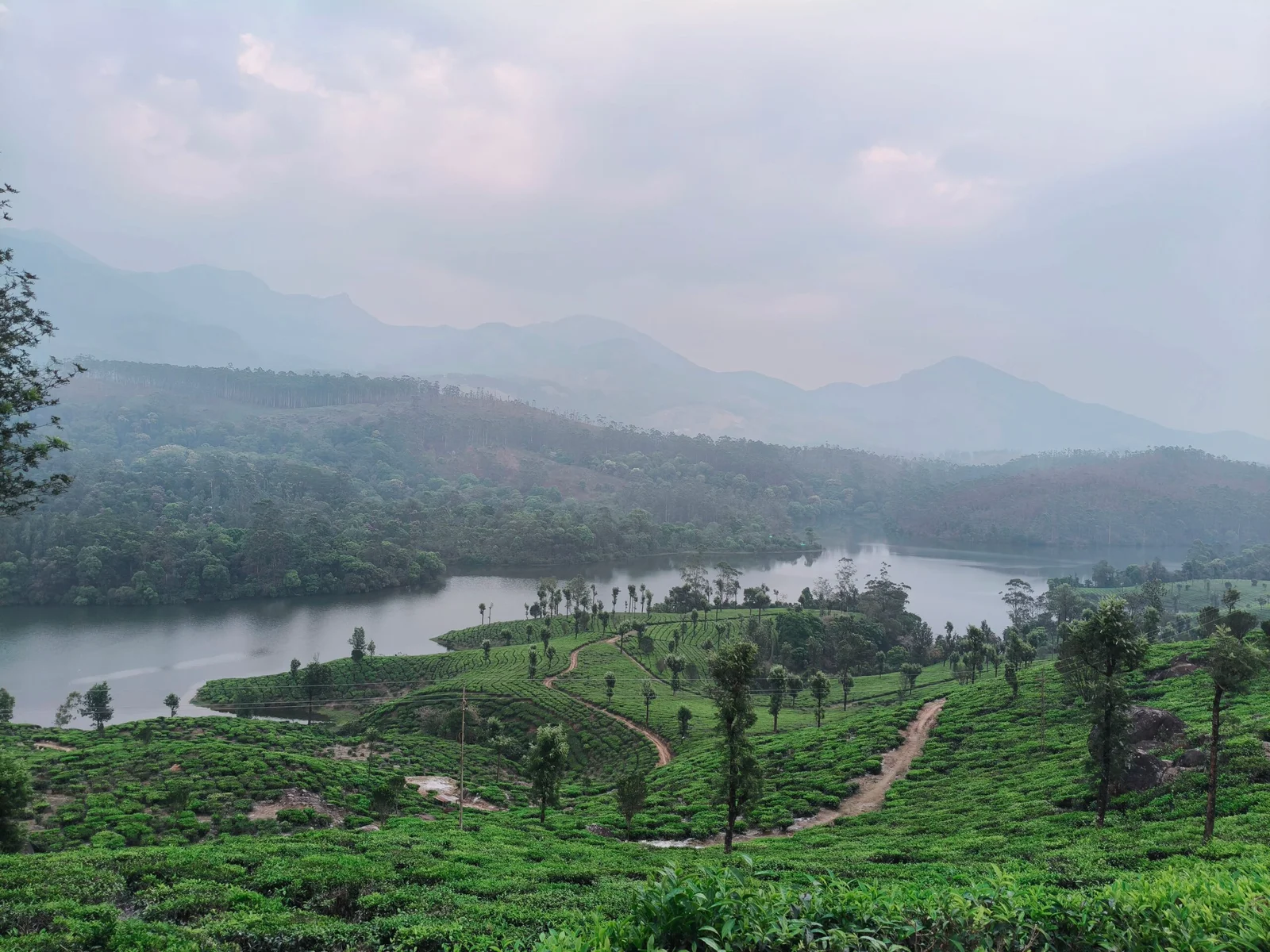
- While visiting God’s Own Country, most travellers follow the same familiar circuit: Munnar’s tea estates, Alleppey’s houseboats, Kovalam’s beaches.
- They are among the best vacation spots for travellers who want to see Kerala as it actually breathes, not just as it is packaged.
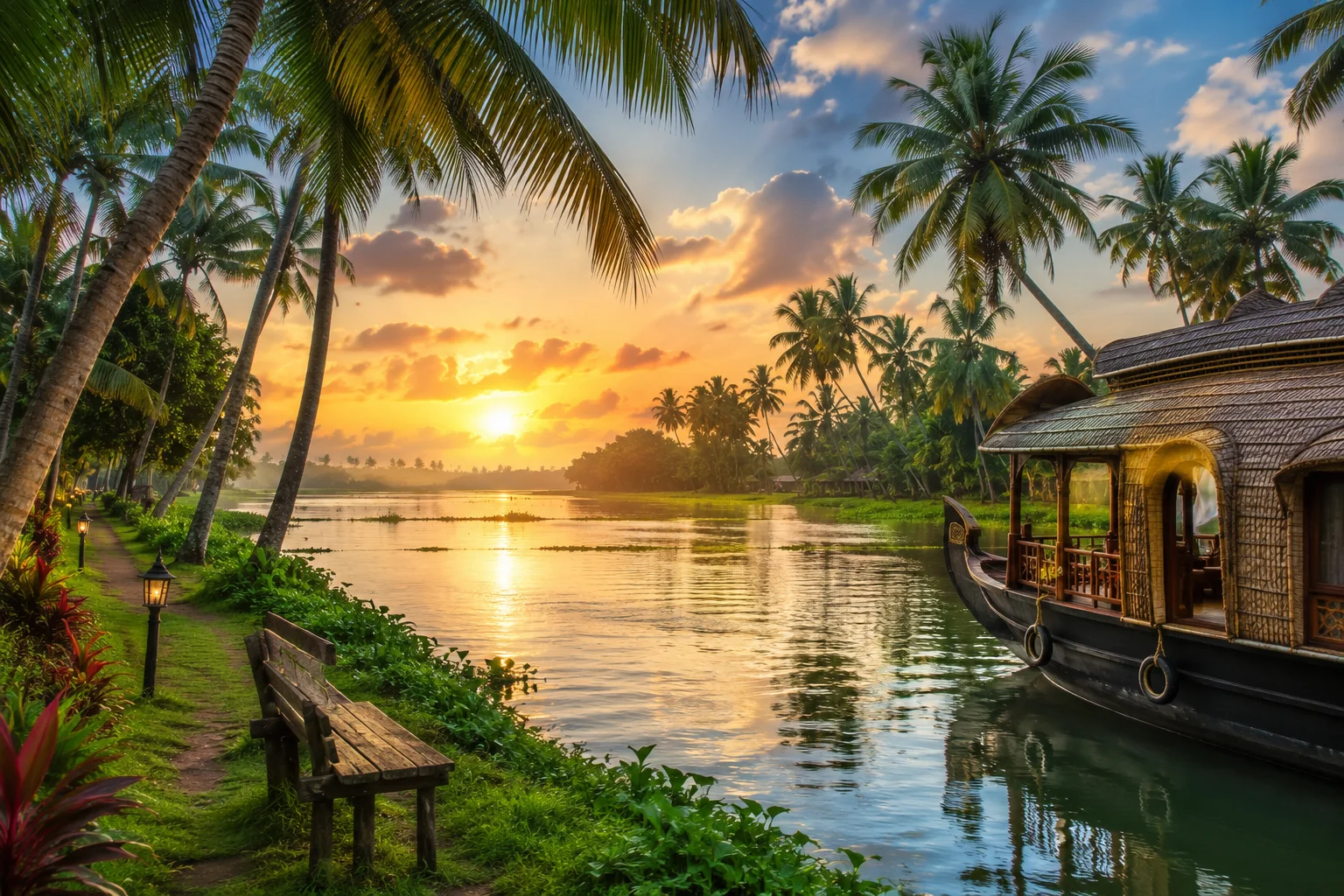
While visiting God’s Own Country, most travellers follow the same familiar circuit: Munnar’s tea estates, Alleppey’s houseboats, Kovalam’s beaches. There is nothing wrong with that. These places have earned their place on Kerala’s map. But the state’s quieter magic often lives elsewhere, in villages where tourism remains a visitor rather than a resident.
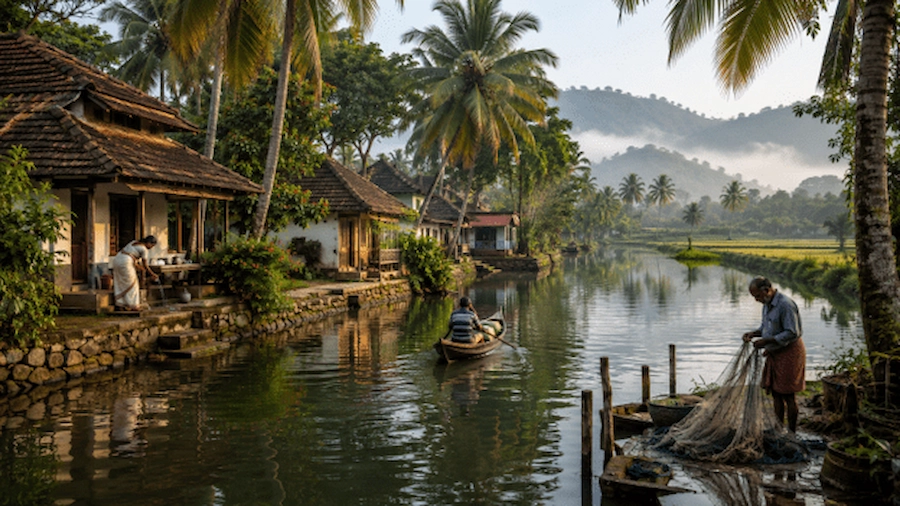
Here, the local economy still runs on coconut farming, fishing, paddy fields, small markets, temple festivals, and everyday routines. Children play cricket in narrow lanes instead of posing for photographs. Canoes move through backwaters because people need to get somewhere, not because a camera is waiting. These villages offer something increasingly rare: authenticity without performance. They are among the best vacation spots for travellers who want to see Kerala as it actually breathes, not just as it is packaged.
What Makes a Kerala Village Worth Visiting?
A village does not need dramatic viewpoints to feel memorable. Often, the appeal lies in smaller details: the smell of wet earth after a short shower, the sound of oars against backwater, the quiet confidence of a local craftsperson at work. The best villages for responsible travel usually have a few things in common:
- Local livelihoods remain visible and active
- Tourism supports homes, farms, artisans, guides, and boatmen
- Visitors can experience the place without disturbing daily routines
- Stays and activities feel personal rather than staged
- Nature, culture, and community are treated with care
Paradise Holidays often draws on this kind of local understanding when shaping Kerala itineraries, especially for travellers who want more than a checklist of popular attractions. The right village can slow a journey down in the best possible way.
10 Kerala Villages That Offer Calm, Culture and Local Life
1. Edavilangu, Alappuzha District
This narrow strip of land sits between Vembanad Lake and the sea. Most visitors rush past on boats headed elsewhere. The handful who stop find a fishing village where coir-making remains the primary occupation. Women here still twist coconut fibre into rope the traditional way. Men haul in nets at dawn. The single tea shop serves proper Kerala breakfast, puttu, kadala curry, and nothing remotely designed for tourist palates. Edavilangu has no hotels. A few homestays exist, but they’re genuine family homes, not boutique properties masquerading as authentic. The village mosque and temple sit 50 metres apart. Life here follows tidal patterns rather than tourist seasons.
2. Meenangadi, Wayanad District
Tucked in Wayanad’s eastern reaches, Meenangadi remains primarily an agricultural settlement. Coffee and pepper plantations surround modest homes. The village market operates on its own schedule, opening when farmers arrive rather than at fixed hours. What makes Meenangadi special is its ordinariness. There’s a government school, a ration shop, and a small Ayurvedic clinic. Tourist infrastructure barely exists. The few visitors who venture here usually have specific purposes—tracking wildlife in nearby forests or visiting the ancient Jain temple at Panamaram. The village sits near several unexplored places in Kerala that serious trekkers value. Local guides know routes through the forest that haven’t made it onto travel blogs yet.
3. Thrikkaipetta, Wayanad District
This tribal settlement on the Kerala-Karnataka border is home to one of the region’s most authentic village cooperatives. The community here maintains traditional farming practices and runs a small dairy that supplies local needs. Thrikkaipetta’s residents are predominantly from the Paniya and Kuruma communities. Their knowledge of forest medicines and sustainable farming offers genuine insights that can’t be replicated in more commercialised settings. Visiting requires prior arrangement and respect for community norms. Paradise Holidays works with village elders to arrange visits that benefit the community directly rather than extracting cultural experiences for entertainment.
4. Kallar, Idukki District
This roadside village sits between Munnar and Thekkady. Most travellers see it only from bus windows. Those who stop discover a working village centred around rubber tapping and small-scale farming. Kallar’s advantage is its disadvantage: it’s not particularly scenic by Kerala standards. No dramatic viewpoints. No famous temples. Just red-earth roads, rubber trees, and the everyday commerce of rural life. The village’s ordinariness makes it extraordinary. Watch rubber tappers work at dawn. Visit the small factory where latex is processed. Talk to farmers at the evening market. These aren’t tourist activities; they’re simply what happens here.
5. Azhikkal, Kannur District
This fishing village north of Kannur town remains wonderfully unpolished. Painted fishing boats line the beach. Nets dry on racks made from driftwood. The fish market operates in organised chaos every afternoon. Unlike tourism-heavy coastal villages, Azhikkal hasn’t developed resort infrastructure. A few basic lodges serve workers from the nearby port. The village temple conducts Theyyam rituals during the season, but for devotees rather than spectators. The surrounding area contains several hidden places in Kerala that keen explorers value, quiet beaches, mangrove channels, and small islands accessible only by local boats.
6. Thavinhal, Idukki District
Perched high in the Western Ghats, Thavinhal is a cardamom-growing village accessible via winding mountain roads. Mist rolls through the valleys most mornings. The village consists of scattered homesteads rather than a concentrated settlement. Life here revolves around cardamom cultivation and seasonal work in the plantations. The village school teaches children from surrounding estates. The single shop stocks essentials rather than tourist supplies. Thavinhal represents one of those secret places in Kerala that aren’t actually secret—locals know it well, but it remains outside standard tourism circuits due to sheer remoteness.
This backwater village sits away from the main tourist boat routes. Narrow canals wind between paddy fields. Village life centres around rice cultivation and small-scale prawn farming. What distinguishes Panavally is its active village library and reading room—a Kerala tradition that persists here. Evening gatherings still involve political debates and Malayalam literature discussions rather than tourist entertainment. The village’s location makes it ideal for travellers seeking genuine backwater experiences without crowds. A few local families offer simple accommodation, but don’t expect luxury amenities. The appeal lies in authenticity.
8. Kavilumpara, Palakkad District
This agricultural village near the Kerala-Tamil Nadu border specialises in paddy cultivation. The landscape here differs from Kerala’s typical verdant imagery, drier, flatter, with palmyra palms alongside coconuts. Kavilumpara’s residents maintain traditional cooperative farming arrangements. During harvest season, the entire village mobilises. The local temple’s annual festival remains the year’s biggest event. Tourism infrastructure is virtually non-existent. That’s precisely the point. Travellers who include Kavilumpara in customised itineraries through Paradise Holidays do so to understand agricultural Kerala rather than tick off sights.
9. Vellayil, Kozhikode District
This village near Kozhikode’s eastern boundaries specialises in traditional pottery and tile-making. Clay deposits in the area have supported these crafts for centuries. The skills pass through families rather than formal training. Vellayil’s potters still use wood-fired kilns. The tiles they produce are mainly used in local construction projects and temple renovations. Some younger artisans have started experimenting with contemporary designs, but production remains small-scale. The village offers genuine craft experiences for those interested in traditional techniques. Watch potters shape clay on kick wheels. See tiles arranged for firing. These activities happen daily regardless of the number of visitors.
10. Vellamunda, Wayanad District
This tribal village near the Brahmagiri range maintains strong community traditions. The settlement consists of smallholdings where families cultivate rice, tapioca, and vegetables for subsistence rather than for commercial sale. Vellamunda’s residents possess detailed knowledge of forest ecology and traditional medicine. The village’s location near protected forest areas means wildlife sightings are common, including elephants, deer, and numerous bird species. Visiting requires sensitivity and prior arrangement. The community welcomes respectful travellers but has no interest in becoming a tourist attraction. This balance between openness and preservation makes it one of Kerala’s most authentic village experiences.
Finding Kerala’s Unchanged Villages
These ten villages represent dozens more scattered across Kerala. They share certain qualities: remoteness, economic independence from tourism, and strong community structures that maintain traditional practices. Finding these places requires moving beyond standard tourism circuits. Talk to locals. Follow rural roads. Visit during festivals, when village life is most fully on display. Accept that amenities will be basic and experiences unpredictable. The best vacation spots today might not look like typical vacation destinations at all. They’re places where the rhythms of daily life provide the attraction, morning markets, evening prayers, seasonal harvests, and quiet routines that connect present circumstances to deep traditions.
What Makes These Villages Different
These settlements share certain characteristics that distinguish them from Kerala’s more developed destinations.
- Working economies: Tourism doesn’t drive the local economy. Agriculture, fishing, small industries, and traditional crafts provide primary sources of income. Visitors are incidental rather than essential.
- Intact social structures: Community life continues along traditional lines. Religious festivals, marriages, and seasonal celebrations happen according to custom rather than tourist calendars.
- Minimal infrastructure: Limited accommodation means fewer overnight visitors. Restaurants serve local needs first. Nobody’s menu has been anglicised for foreign palates.
Responsible Village Tourism
Visiting unchanged villages carries responsibilities. These communities haven’t asked for tourist attention. Their appeal lies in their authenticity, which can be damaged by insensitive tourism. Several principles matter: travel in small numbers, secure local permissions, contribute economically to the community, and maintain realistic expectations. Don’t expect performances or manufactured experiences. Value the ordinary over the exotic. Photography deserves special mention. Taking photos of people without permission, particularly women and children, violates basic courtesy. Many villages have specific cultural norms about photography. When in doubt, ask. Better still, put the camera away and simply observe.
Beyond the Standard Kerala Experience
Kerala’s established destinations offer considerable appeal. The backwaters, hill stations, and beaches that attract millions deliver genuine beauty and well-developed tourism services. But these unchanged villages offer something different: a glimpse of Kerala as Keralites actually live it. Not simplified or staged, but complex, contradictory, and completely real. For travellers seeking depth rather than highlights, these villages provide insights that polished destinations cannot. They reveal how traditional knowledge adapts to modern circumstances, how communities maintain identity despite change, and how daily life creates meaning through routine rather than spectacle. These aren’t necessarily the hidden places in. These unchanged villages offer exactly that: chances to see Kerala without the performance, to encounter communities that remain confidently themselves.