
Can You Work Remotely From Kerala’s Backwaters? A Realistic Guide to Internet, Costs and Lifestyle
- Afternoon sessions run from 2-6 PM, though remote work flexibility allows shifting hours.
- A stay of five to seven nights offers the best balance between productivity and relaxation.
- Combination travellers: People splitting Kerala visits between vacation days and workdays, extending trips without exhausting leave
- Proper seating that supports your back through 6-8 hour workdays
- When booking, explicitly discuss your work setup requirements table dimensions, seating quality, power access, and quiet hours.
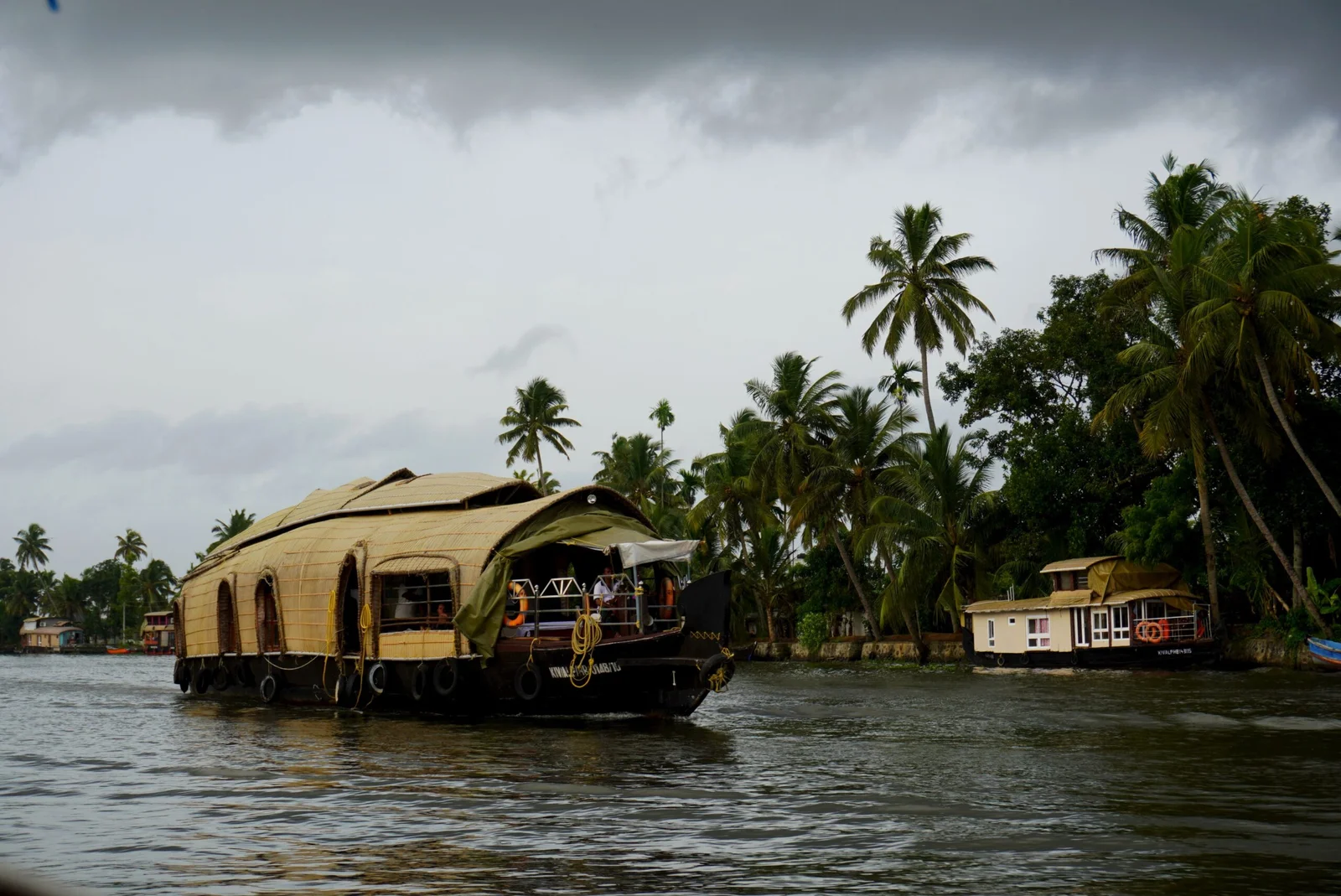
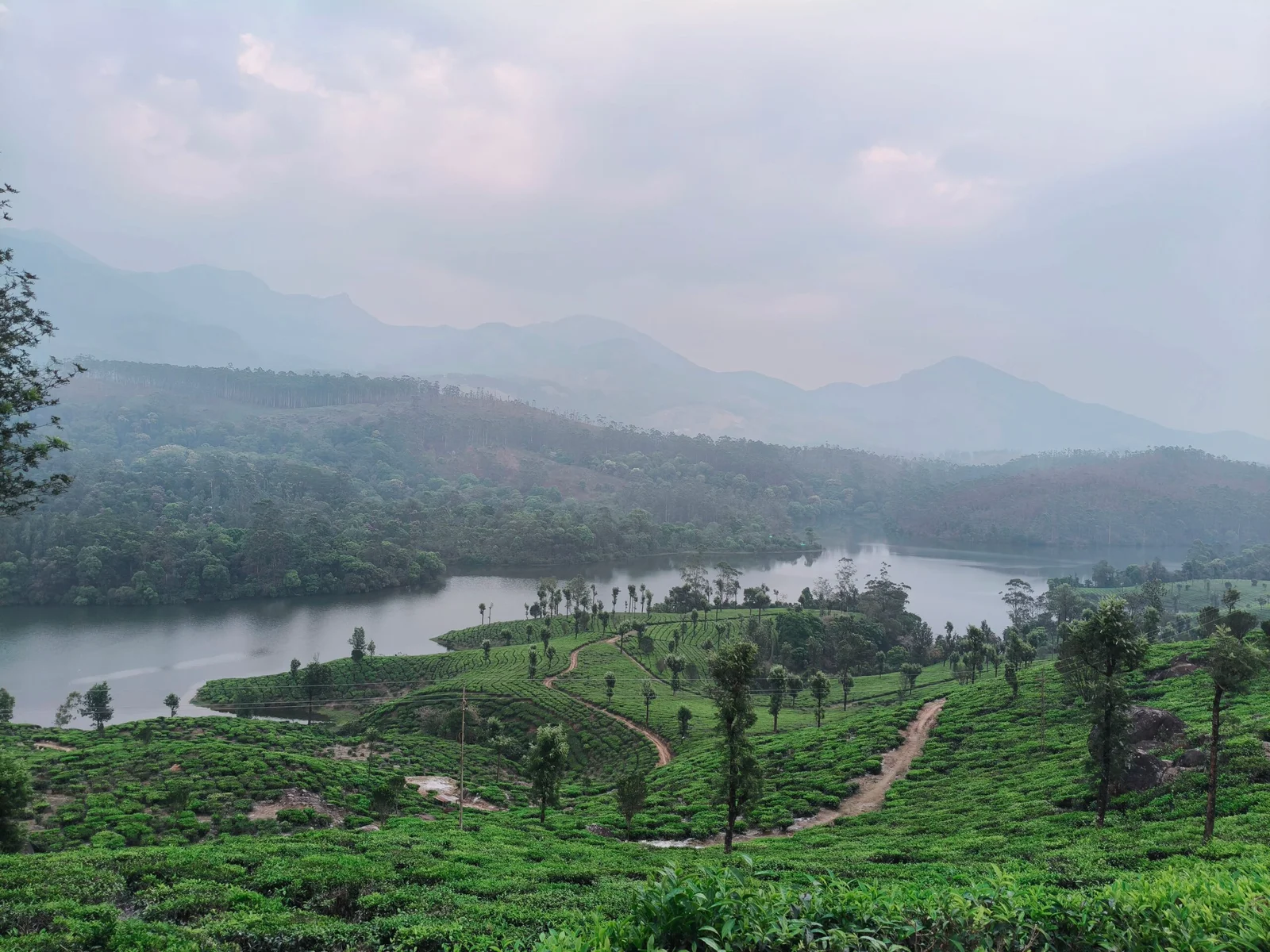
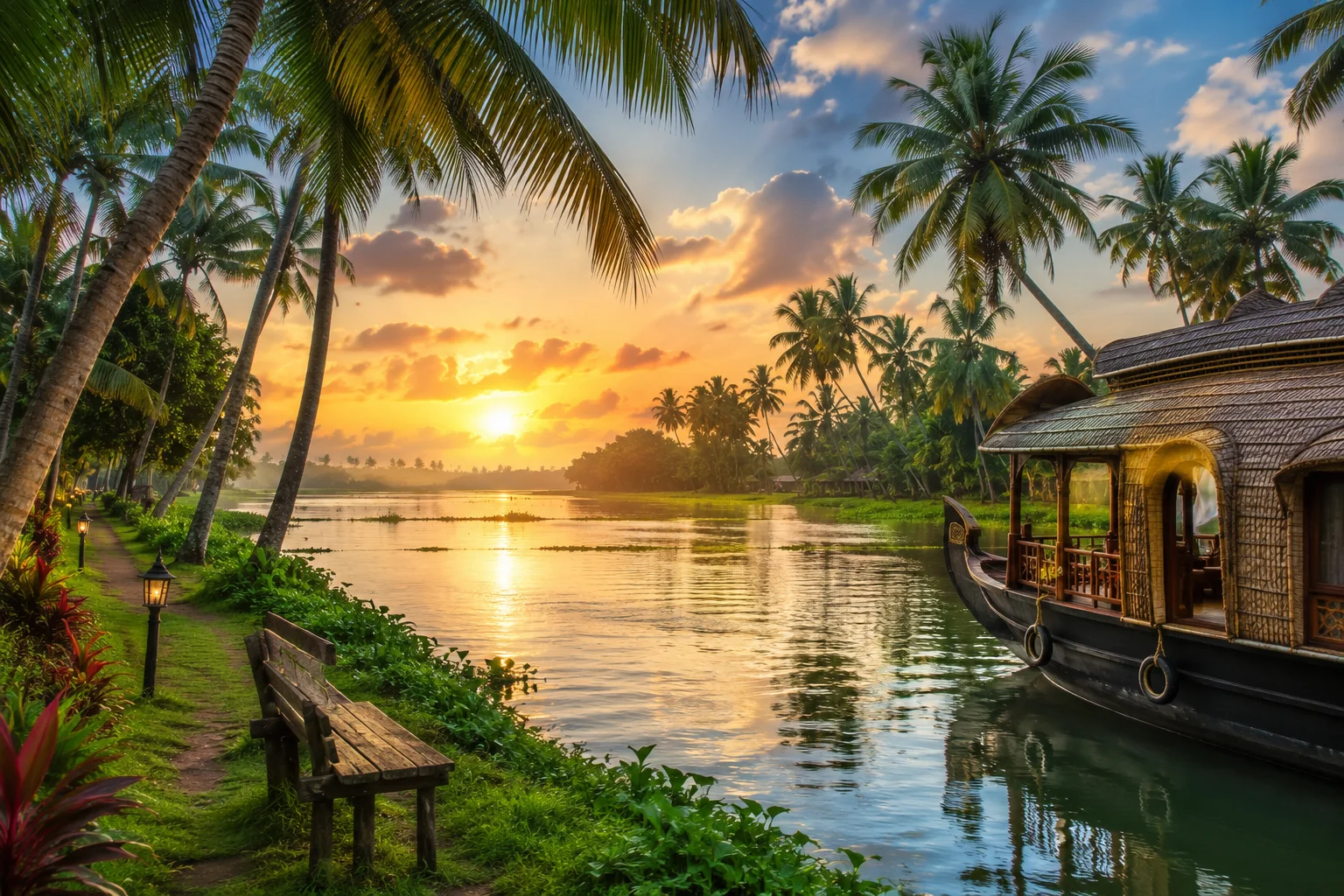
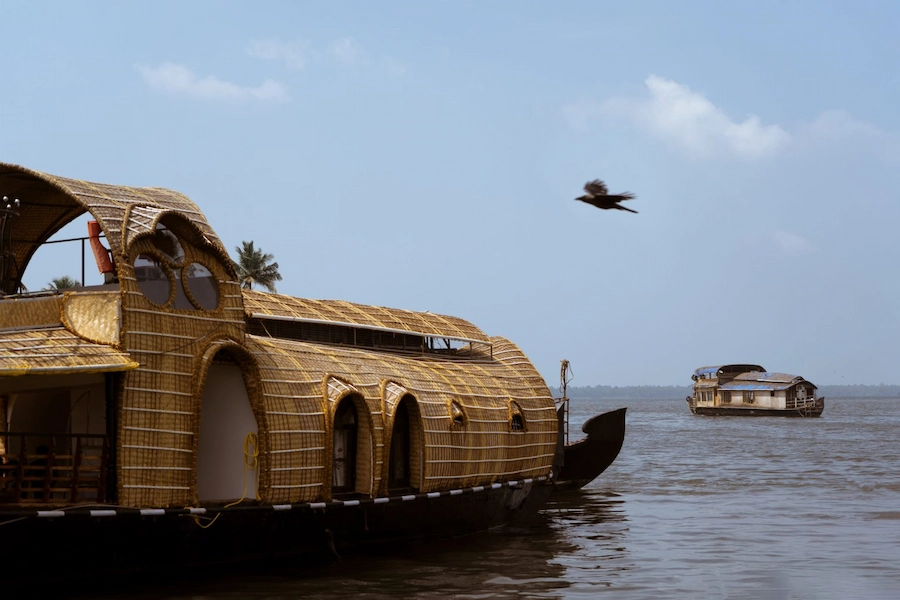
Picture this: you’re responding to emails whilst watching kingfishers dive for breakfast. Your video call background features coconut palms swaying over mirror-still water instead of the usual bedroom wall. Your lunch break involves Kerala fish curry prepared by an onboard chef rather than another sad desk sandwich. This isn’t a fantasy it’s the reality of working remotely from Kerala’s backwaters. The concept sounds impractical at first. Houseboats evoke images of leisurely holidays, not spreadsheets and deadlines. Yet remote workers across India and beyond are discovering that a Kerala houseboat stay can function surprisingly well as a temporary office. The question isn’t whether it’s possible, but whether it suits your specific work requirements and lifestyle preferences.
The Internet Reality: What Connection Speeds Can You Actually Expect?
Let’s address the elephant in the room or rather, the Wi-Fi on the water. Internet connectivity determines whether a backwater workation succeeds or becomes an exercise in frustration. The backwaters aren’t wired with fibre optic cables. Instead, you’ll rely on 4G mobile networks, typically accessed through your phone’s hotspot. Coverage varies significantly depending on location. In populated areas near Alleppey and Kumarakom, networks like Jio and Airtel deliver speeds between 10 and 20 Mbps, adequate for most remote work tasks but nowhere near urban broadband standards.
What works well on backwater internet:
- Email, messaging, and standard communication tools
- Document editing via Google Docs or Microsoft Office
- One-on-one video calls (though quality fluctuates occasionally)
- Light design work and coding that doesn’t require constant cloud syncing
What struggles on backwater bandwidth:
- Marathon video meetings lasting several hours daily
- Large file transfers and hefty design uploads
- Real-time collaboration tools requiring instant syncing
- Streaming and downloading large software updates
Savvy remote workers bring SIM cards from multiple providers. Jio dominates in certain stretches, whilst Airtel performs better in others. This redundancy costs little but provides valuable backup when your primary connection drops.
The Unexpected Benefit of Limited Connectivity
Paradoxically, spotty evening coverage creates healthier boundaries. When the internet genuinely doesn’t work after 7 PM, you can’t check email compulsively. You’re forced offline, which many remote workers desperately need but struggle to enforce.
Setting Up Your Floating Workspace
Not all houseboats accommodate work equally well. The best houseboat stay in Alleppey for remote work offers specific features that set it apart from standard tourist vessels.
Essential workspace elements include:
- Proper seating that supports your back through 6-8 hour workdays
- Stable table surface at desk height (coffee tables force hunching)
- Multiple power points for simultaneous device charging
- Air-conditioned indoor space when deck heat becomes unbearable
- Quiet zones where crew activity won’t interrupt important calls
Quality operators offering Kerala backwaters stay packages have adapted to workation demand. They understand that “luxury” for remote workers means functional workspace, not just plush furnishings. When booking, explicitly discuss your work setup requirements table dimensions, seating quality, power access, and quiet hours. What you won’t find: multiple monitors, printers, or dedicated conference rooms. Pack accordingly. A laptop stand improves posture significantly. Noise-cancelling headphones prove invaluable for calls when crew members clean nearby cabins.
Daily Rhythms: How a Typical Workday Unfolds
The structure of backwater work life differs markedly from home office routines, mostly for the better. Mornings begin without alarms or commutes. You wake naturally, possibly to sunrise over the water, have coffee on deck, and settle into work by 9 AM. The lack of commute stress alone improves focus. Your “office” might be the shaded deck area or an air-conditioned cabin, depending on temperature and call requirements. Work proceeds until lunch, typically served around 1 PM. An Alleppey homestay backwaters experience includes meals, eliminating daily decision fatigue. Expect traditional Kerala cuisine fish curry, appam, and vegetable thoran prepared by onboard cooks.
Afternoon sessions run from 2-6 PM, though remote work flexibility allows shifting hours. Some workers finish by 4 PM for extended evenings; others take afternoon breaks and resume work when family members in different time zones come online. Evenings belong entirely to you. Sunset from the deck. Dinner around 8 PM. Reading, stargazing, or simply sitting with the sounds of the water. The complete separation between work hours and personal time, physically enforced by being on a boat, creates mental boundaries that home offices rarely achieve.
Cost Analysis: Is a Backwater Workation Financially Sensible?
Luxury houseboats aren’t budget accommodation. Daily rates often exceed standard hotel costs. However, the calculation requires examining what’s included. A typical Alleppey backwaters stay package for extended visits covers accommodation, three meals daily, housekeeping, and crew service. When you itemise a hotel room plus three restaurant meals plus miscellaneous daily expenses, the gap narrows considerably.
For remote workers earning in pounds, dollars, or euros, prices in Kerala remain reasonable even at the luxury end. A week-long stay costs less than comparable duration in London, New York, or Sydney, whilst offering far more distinctive surroundings. Consider this: if working from the backwaters prevents burnout that would otherwise require medical intervention or extended leave, the cost becomes preventative healthcare rather than mere indulgence.
Who Actually Thrives in This Setup?
People who flourish include:
- Burnout cases: Those exhausted from months of home office monotony who need environment change but can’t take full-time off
- Project-focused workers: Writers finishing manuscripts, developers on coding sprints, designers tackling specific projects benefiting from uninterrupted concentration
- Digital nomads: Location-independent workers seeking experiences beyond the usual Bali or Chiang Mai spots
- Combination travellers: People splitting Kerala visits between vacation days and workdays, extending trips without exhausting leave
This doesn’t work well for:
- Meeting-heavy roles requiring 4-6 hours of daily video calls
- File-intensive work like video editing or 3D design
- Structure-dependent workers who struggle with home office discipline
- High-pressure deadline sprints that don’t match the calm setting
Practical Obstacles You’ll Definitely Encounter
Time Zone Complications
Kerala operates on Indian Standard Time (UTC+5:30). For UK-based remote workers, this means 4.5 hours ahead, manageable for European meetings but awkward for US collaborations. American East Coast calls require very early-morning or late-evening slots.
Power and Weather Variables
Houseboats run on generators or solar-plus-battery systems. Power is generally reliable but lacks grid certainty. Keep devices charged and carry power banks. Monsoon rains force indoor work, whilst midday heat makes deck work uncomfortable without shade.
Motion Sensitivity
The boat rocks gently. Most people adjust within a day; some never do. If you’re prone to motion sickness, test with a day cruise before committing to a week-long stay at backwater hotels in Kerala.
Optimal Duration: How Long Should You Stay?
Very short stays of two to three nights feel rushed. You spend one day adjusting, get perhaps two productive workdays, then pack up.
The sweet spot runs five to seven nights, creating a proper workweek. This duration allows settling into routine, accomplishing meaningful work, and genuinely experiencing the setting. Your productivity typically matches or exceeds normal levels because interruptions decrease and the environment reduces stress.
Beyond seven nights, internet limitations that once seemed manageable start feeling restrictive, and novelty fades. Some people book ten to fourteen nights successfully, but this works primarily for isolation-requiring projects: writers finishing books, sabbatical research, or deep creative work.
What the Backwater Setting Actually Provides
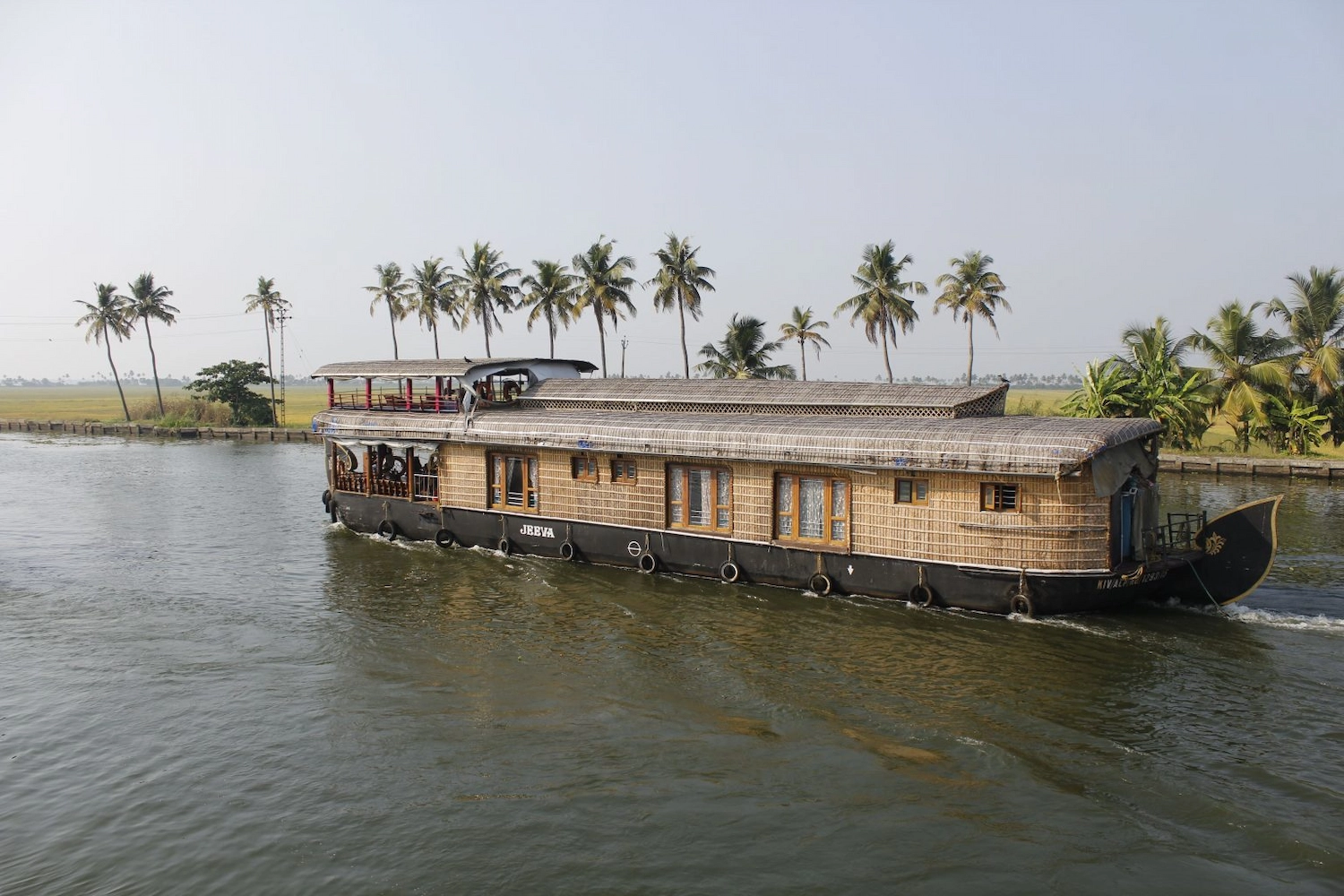
Beyond practical workspace considerations, the environment contributes specific benefits. The backwaters create natural quiet no traffic noise, no construction, no neighbour arguments bleeding through apartment walls. This matters profoundly for concentration and call quality. Visual interest without distraction characterises the setting. Looking up from your laptop reveals water, palms, and occasional passing boats. Enough variety to rest your eyes without pulling attention from work.
Natural breaks happen organically. Morning tea arrives. A kingfisher dives near the boat. A fishing canoe glides past. These micro-interruptions refresh focus without requiring manufactured break activities. Psychological separation proves surprisingly powerful. Physically being somewhere unusual helps mentally separate work mode from personal time the boat anchored on water makes boundary-blurring impossible.
Should You Actually Do This?
Working remotely from Kerala’s backwaters is genuinely possible not for everyone, not for every type of work, but absolutely viable for the right combination of person, job, and timing. The logistics require planning. The internet has real limits. The cost exceeds staying home. But for remote workers needing a change of scenery whilst maintaining productivity, a Kerala houseboat stay offers unique benefits that conventional workation destinations can’t match. Kerala’s backwaters offer something increasingly rare: genuine disconnection from urban chaos whilst maintaining just enough connectivity to work.
The setting naturally promotes the work-life balance that corporate wellness programmes endlessly discuss but rarely achieve. If your remote work genuinely offers flexibility, using a week of it on the backwaters tests whether that flexibility extends beyond theory into practice. The worst outcome? You discover houseboats aren’t your preferred workspace. The best outcome? You find a repeatable pattern for preventing burnout whilst maintaining income, and you’ll have experienced Kerala’s extraordinary natural beauty in a way few tourists ever do. The backwaters aren’t going anywhere. Your remote work flexibility is. Use it whilst you can.
Enquiry & Contact Paradise Holidays
Planning a Kerala backwater workation or looking for the right houseboat for remote work? The local team at Paradise Holidays can help with practical advice on connectivity, accommodation options, and customised itineraries.
Sales Enquiries
📧 info@paradise-kerala.com
📞 9947876214 / 9633788866
General Enquiries
📧 info@paradise-kerala.com
📞 9947876214
Send an Enquiry: Visit the Contact Us page or email info@paradise-kerala.com to discuss your travel plans and workation requirements.
Frequently Asked Questions
In most areas around Alleppey and Kumarakom, Jio and Airtel provide adequate 4G coverage for emails, video calls, document editing and general remote work. However, large file transfers and bandwidth-heavy tasks can be challenging.
Yes. Most remote workers can comfortably attend standard video meetings. Using a mobile hotspot and having backup SIM cards from multiple providers is recommended.
A stay of five to seven nights offers the best balance between productivity and relaxation. This timeframe allows enough time to settle into a routine without feeling rushed.
Many premium houseboats now offer charging points, stable work tables, air-conditioned cabins and comfortable seating suitable for remote work. It’s advisable to confirm workspace arrangements before booking.
Yes. Digital nomads, writers, developers, consultants and creative professionals often find the peaceful setting ideal. However, professionals who rely on constant high-speed internet or large data transfers may find limitations.