
Your Complete Munnar Travel Plan: Where to Stay, What to See and How Many Days You Need
- Off-season (March–May & June–September): Lower prices and fewer crowds, better deals and quieter attractions, budget-friendly travel, lower accommodation costs and fewer tourists
- Travellers planning extensive sightseeing or trekking may prefer visiting between October and March for clearer views and more predictable weather.
- There is no bad time to visit Munnar, but the peak Kerala monsoon season between July and August can occasionally bring heavy rainfall, slippery roads, and temporary closures of some outdoor attractions.
- They cost ₹2,000 to ₹7,000, depending on the distance and time taken, and allow you to stop at beautiful locations en route, as you please.
- Peak season (October–February): Cool weather and ideal sightseeing conditions, pleasant weather for sightseeing and outdoor activities, perfect for trekking, sightseeing, and nature walks.
Most travellers find that 3 to 4 days hits the sweet spot, giving enough time for the major viewpoints and tea estates. You’ll still have room to relax and soak in the scenery, since the pace never feels rushed. Anything shorter tends to feel like a whirlwind, given how spread out the attractions are. The trip to Munnar itself takes some planning too. The journey from cities like Kochi or Thiruvananthapuram takes 4 to 6 hours, depending on traffic and your starting point. That travel time is worth building into your schedule so fatigue doesn’t set in early. You don’t want to feel drained before the sightseeing even starts. A well-planned tour route for Munnar flexes easily around your timeline. A tight weekend trip still covers the highlights if you plan well, and a relaxed week-long stay lets you explore hidden viewpoints and try local experiences, all without a packed schedule weighing you down. If you’re wondering how many days for Munnar, three to four days is a practical starting point for most travellers.
How Many Days Do You Really Need in Munnar
Most travellers find that 3 to 4 days hits the sweet spot, giving enough time for the major viewpoints and tea estates. You’ll still have room to relax and soak in the scenery, since the pace never feels rushed. Anything shorter tends to feel like a whirlwind, given how spread out the attractions are. The trip to Munnar itself takes some planning too. The journey from cities like Kochi or Thiruvananthapuram takes 4 to 6 hours, depending on traffic and your starting point. That travel time is worth building into your schedule so fatigue doesn’t set in early. You don’t want to feel drained before the sightseeing even starts. A well-planned tour route for Munnar flexes easily around your timeline. A tight weekend trip still covers the highlights if you plan well, and a relaxed week-long stay lets you explore hidden viewpoints and try local experiences, all without a packed schedule weighing you down. If you’re wondering how many days for Munnar, three to four days is a practical starting point for most travellers.
Where to Stay: Choosing Accommodation That Fits Your Style
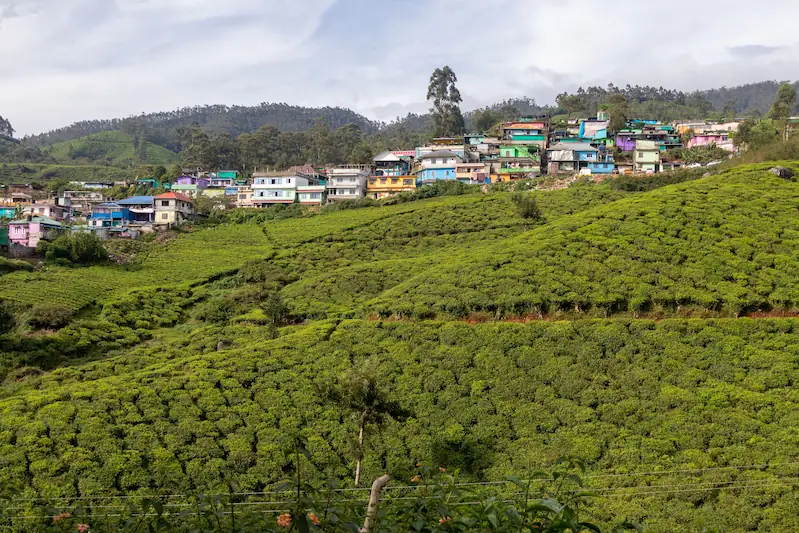
Munnar offers a wide spread of accommodation, and the right pick shapes your whole trip. Homestays and luxury resorts each bring something distinct to the table, so it helps to think about your priorities before booking anything. A balanced tour plan for Munnar often mixes comfort with authenticity, especially if you want a real taste of local hospitality. For travellers watching their budget, affordable homestays are a fantastic pick. Many of these are family-run and offer surprisingly scenic views without the high price tag you’d find at a resort. Choosing these stays also means your money goes directly to supporting local communities, adding a meaningful layer to your travel experience. Family-run properties are worth seeking out no matter your budget, since they tend to offer a warmer, more personal experience. They also encourage responsible tourism practices that help preserve Munnar’s charm for years to come. Start your search with a homestay before deciding if a resort suits your next visit better. Travellers comparing Munnar hotels can choose between budget homestays, mid-range properties and luxury resorts based on their preferred location, facilities and budget.
Budget, Mid-Range, and Luxury Stay Options
- Budget Stays: Well-suited for solo travellers and backpackers, these homestays and guesthouses offer simple comfort. They deliver an authentic, local feel without straining your wallet.
- Mid-Range Comfort: A step up in room quality and amenities, mid-range hotels strike a nice balance between affordability and a smoother, more relaxed overall experience.
- Luxury Resorts and Cottages: For travellers wanting premium comfort, luxury stays offer spa facilities and scenic private cottages. Together, these turn a simple trip into a memorable retreat.
Must-See Attractions to Include in Your Itinerary
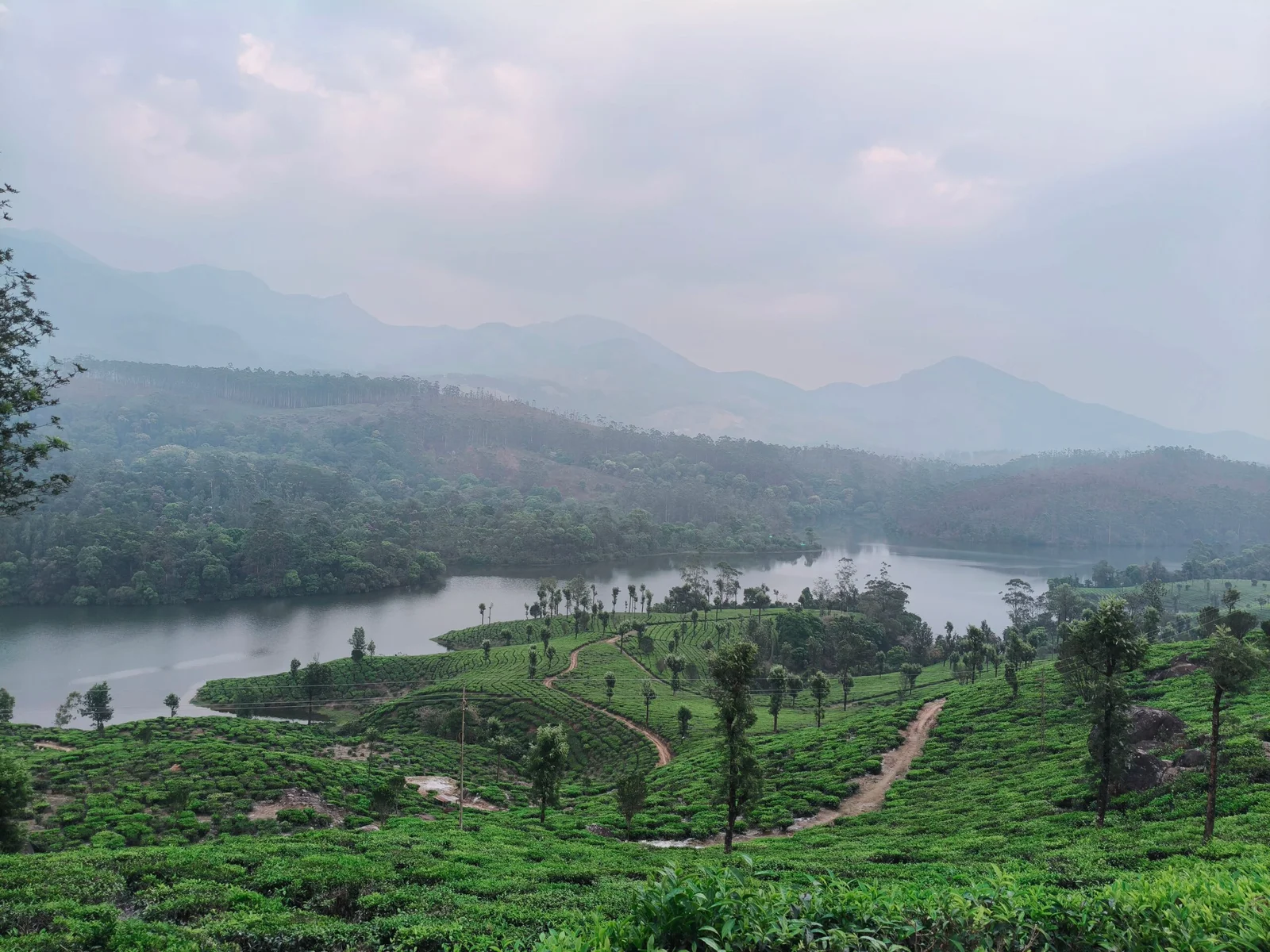
No tour plan for Munnar is complete without its most recognised spots. Top Station offers sweeping views of the Western Ghats, making it a must for photography lovers chasing that fitting shot. Eravikulam National Park, home to the endangered Nilgiri Tahr, gives nature enthusiasts a chance to spot scarce wildlife in its natural habitat. Mattupetty Dam is another well-known stop, popular for its calm waters, and the surrounding hills are ideal for a peaceful break between sightseeing stops. For a bit of adventure, Kolukkumalai, one of the highest tea estates in the world, rewards early risers with breathtaking views. Watching the sunrise over endless tea gardens here is worth the early wake-up call. The good news is that many of Munnar’s most scenic tea plantations and viewpoints cost nothing to enjoy, making it an easy destination to explore without overspending on entry fees. To round out your trip, try pairing these natural wonders with cultural experiences, such as visiting local markets or tea museums. For travellers researching places to visit in Munnar, these attractions offer a useful mix of nature, scenery, wildlife and local experiences.
- Top Station: Panoramic viewpoint suitable for sunrise and sunset photography.
- Eravikulam National Park: Home to rare wildlife and lush grasslands.
- Mattupetty Dam: A scenic, peaceful spot surrounded by rolling hills.
- Kolukkumalai: One of the world’s highest tea estates with stunning views.
Getting Around: Transport Options for Every Traveler

Getting to and around Munnar need not be complicated. The cheapest mode of transport is KSRTC buses, whose tickets are generally priced between ₹150 and ₹500 from major cities like Kochi and Thiruvananthapuram. This is one of the best ways for tourists looking for a cheap way to visit. Private cabs will work well if speed and convenience are your top priorities. They cost ₹2,000 to ₹7,000, depending on the distance and time taken, and allow you to stop at beautiful locations en route, as you please. It ultimately depends on whether your style of travelling favours KSRTC or private cabs. Private cabs would work well for shorter weekend visits, while public transport would be preferable for longer stays. You can consider both – using a cab to get there and public transport within Munnar.
Savoring Kerala Flavors: Food to Try in Munnar
Food is one of the simple pleasures of any visit to Munnar, and the local food will surely not disappoint you. Traditional Keralan food, such as spicy curries and soft, fluffy appam, is easy to find and taste. For something quick and satisfying, don’t skip the local street food scene. A warm bread omelette or a plate of spicy Maggi noodles from a roadside stall is a beloved treat among locals and visitors alike. Eating at local establishments not only satisfies your hunger but also supports local vendors and promotes community-based tourism. This means that eating becomes an important element of responsible tourism. Start your vacation at a local food stall run by a family and follow your taste buds.
Best Time to Visit for the Best Experience
It is imperative to note the importance of timing, as it significantly affects the Munnar experience. Winters are the peak time for the dry, cool climate, ideal for sightseeing and trekking, when mountain ranges can be seen with perfect clarity without interference from fog or rain. However, off-season trips also have many advantages. Let’s take a glance at travelling conditions between off-season and peak seasons:
- Off-season (March–May & June–September): Lower prices and fewer crowds, better deals and quieter attractions, budget-friendly travel, lower accommodation costs and fewer tourists
- Peak season (October–February): Cool weather and ideal sightseeing conditions, pleasant weather for sightseeing and outdoor activities, perfect for trekking, sightseeing, and nature walks.
Travel Responsibly: Sustainability in Every Step
The beauty of Munnar is fragile, and travelling responsibly goes a long way towards preserving it. Basic actions, such as not littering and staying on designated trails, can make a big difference in preserving the region’s beauty for future generations.
- Support Local Guides: Hiring local guides brings genuine insight into the region while directly benefiting the community.
- Choose Homestays: Staying at family-run properties helps keep tourism money within the local economy.
- Buy Local Crafts: Purchasing from local artisans supports traditional skills and small businesses.
Every small choice adds up over the course of a trip. A commitment to sustainable tourism ensures Munnar stays just as breathtaking for the travellers who visit after you. Pick one habit from this list and start with it on your very first day.
Wrapping Up: Your Perfect Munnar Getaway Awaits
In essence, a well-thought-out Munnar itinerary requires a balance of three factors. These factors include where to stay, which attractions one wants to visit, and how much time to spend doing so. There’s always something for everyone in this hill station; Munnar caters to your travel preferences, whether in budget accommodation, fancy hotels, or even the amount of time you want to spend there. Whatever your preferences or your financial limits, there is a certain uniqueness to this place. This could be the serene morning sun shining over its tea estates or a chat with its friendly homestay owners. And now all that is left is for you to plan your customized vacation to Munnar. Paradise Holidays can help travellers shape a personalised Kerala itinerary based on their preferred pace, interests and travel plans. Whether you are comparing a Kerala tours package, exploring Kerala holiday packages, or considering Kerala Honeymoon Packages, Munnar can be adapted to suit different types of holidays. For travel planning and general enquiries, contact Paradise Holidays at info@paradise-kerala.com or call 9947876214 / 9633788866.
FAQs
The choice depends on the kind of holiday you’re planning. Munnar is known for its tea estates, cool climate, and mountain scenery, while Thekkady is better suited for wildlife enthusiasts looking to visit Periyar National Park, enjoy bamboo rafting, or take nature walks. Many travellers combine both destinations in a Kerala itinerary for a more varied experience.
There is no bad time to visit Munnar, but the peak Kerala monsoon season between July and August can occasionally bring heavy rainfall, slippery roads, and temporary closures of some outdoor attractions. Travellers planning extensive sightseeing or trekking may prefer visiting between October and March for clearer views and more predictable weather.
Both hill stations offer unique experiences, but Munnar appeals to travellers seeking quieter landscapes, expansive tea gardens, and a less commercial atmosphere. Ooty offers heritage attractions, botanical gardens, and a lively town centre, making the choice dependent on whether your Munnar travel guide focuses on nature or a more traditional hill station experience.
Munnar is best known for its rolling tea plantations, mist-covered hills, and panoramic viewpoints, while Wayanad offers dense forests, waterfalls, caves, and wildlife experiences. If you’re interested in scenic landscapes and a classic hill station escape, Munnar is an excellent choice, whereas Wayanad suits travellers looking for adventure and nature-based activities.
Munnar can suit almost every budget, making it one of Kerala’s more flexible hill destinations. Budget homestays, local restaurants, and affordable transport keep costs reasonable, while luxury resorts provide premium experiences for those seeking extra comfort. With a well-planned tour of Munnar, travellers can enjoy memorable experiences without necessarily paying a premium.