
Best Time to Visit Kerala: A Season-by-Season Guide for Sightseeing and Outdoor Activities
- October‑February offers the most comfortable 20‑32 °C weather, ideal for backwater cruises, beach days, wildlife safaris and major festivals, but it’s peak season so advance bookings are essential.
- March‑May brings hot, humid conditions on the coast (over 35 °C) while hill stations stay cooler, making this period perfect for budget travelers and visits to high‑altitude spots such as Munnar.
- June‑September is the monsoon season with 23‑30 °C temperatures and heavy rain, creating lush green landscapes, spectacular waterfalls, and optimal conditions for Ayurvedic retreats, though some outdoor activities may be limited.
- Each season aligns with specific cultural events: winter hosts the Cochin Carnival and Theyyam performances; summer includes Vishu and Thrissur Pooram; monsoon features Onam celebrations and traditional boat races.
- Planning your itinerary around the climate—choosing dry winter for sightseeing, cooler summer for hill‑station hikes, or rainy monsoon for wellness and nature photography—ensures you experience Kerala’s diverse attractions at their best.
Kerala, called God’s Own Country, is a southern Indian state of swaying palm trees, calm backwaters, misty hills and living traditions. It offers culture and relaxation in equal measure, but it feels very different depending on when you go. Choosing the best time to visit Kerala can be the difference between a pleasant trip and one you talk about for years.
What Is the Best Time to Visit Kerala?
The best time to visit Kerala is between October and February, with December to February offering the driest, most comfortable weather for sightseeing and outdoor activities. March to May suits hill stations and budget travel, while June to September (the monsoon) is ideal for Ayurveda, lush scenery and waterfalls.
| Season | Months | Typical Temperature | Best For | Keep in Mind |
|---|---|---|---|---|
| Winter | October to February | 20°C to 32°C | Sightseeing, backwaters, beaches, wildlife, trekking | Peak season; book early. October and November can still see some showers |
| Summer | March to May | 30°C to 36°C in the plains; cooler in the hills | Hill stations, budget trips, Vishu and Thrissur Pooram | Hot and humid on the coast |
| Monsoon | June to September | 23°C to 30°C, with heavy rain | Ayurveda, waterfalls, green landscapes, Onam and boat races | Some outdoor activities may be restricted |
This guide walks through each season, so you can match Kerala to what you want from your trip. For a detailed look at each month, see our seasonal guide to the best time to visit Kerala.
Understanding Kerala’s Climate and Seasons
Kerala has three main seasons: winter, summer and monsoon. Each brings its own temperatures and opportunities. Understanding these shifts first makes it much easier to pick the best season to visit Kerala.
- Winter (October to February): Cool, pleasant and mostly dry, especially from December onward.
- Summer (March to May): Hot and humid in the lowlands, with cooler air in the hills.
- Monsoon (June to September): Heavy rain that turns the state a deep, saturated green. The southwest monsoon usually arrives around the start of June, and some showers linger into October and November.
The season decides when you cruise the backwaters, when you hike the hills, and when you settle into a wellness retreat. Your ideal timing comes down to how much heat, rain or crowd you are comfortable with. For a direct comparison, read our guide on Kerala in summer vs winter.
Winter (October to February): The Best Season to Visit Kerala
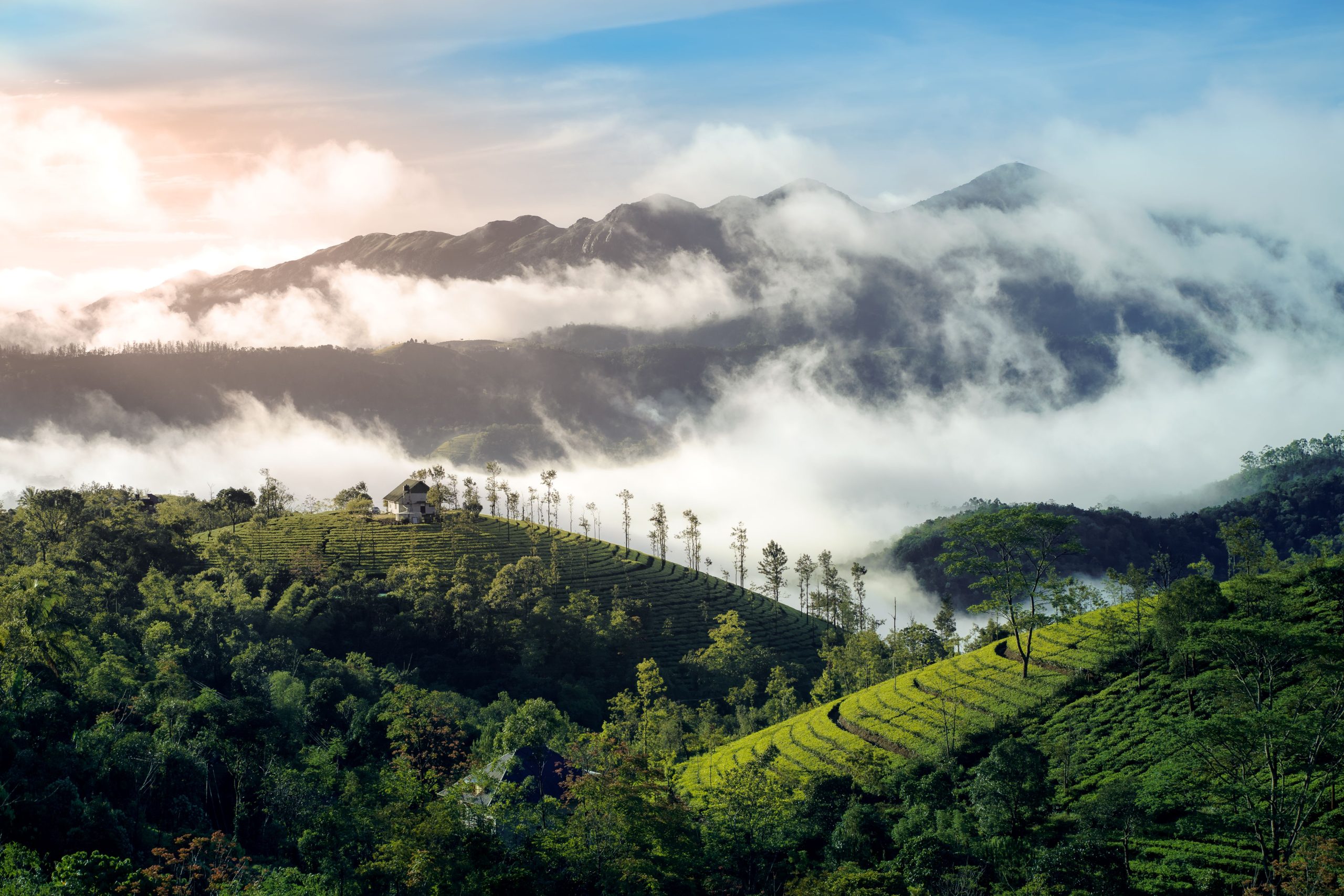
For most travelers, winter is the best season to visit Kerala. Temperatures sit comfortably between 20°C and 32°C, which makes it easy to be outdoors all day. It is also the busiest time of year, and for good reason.
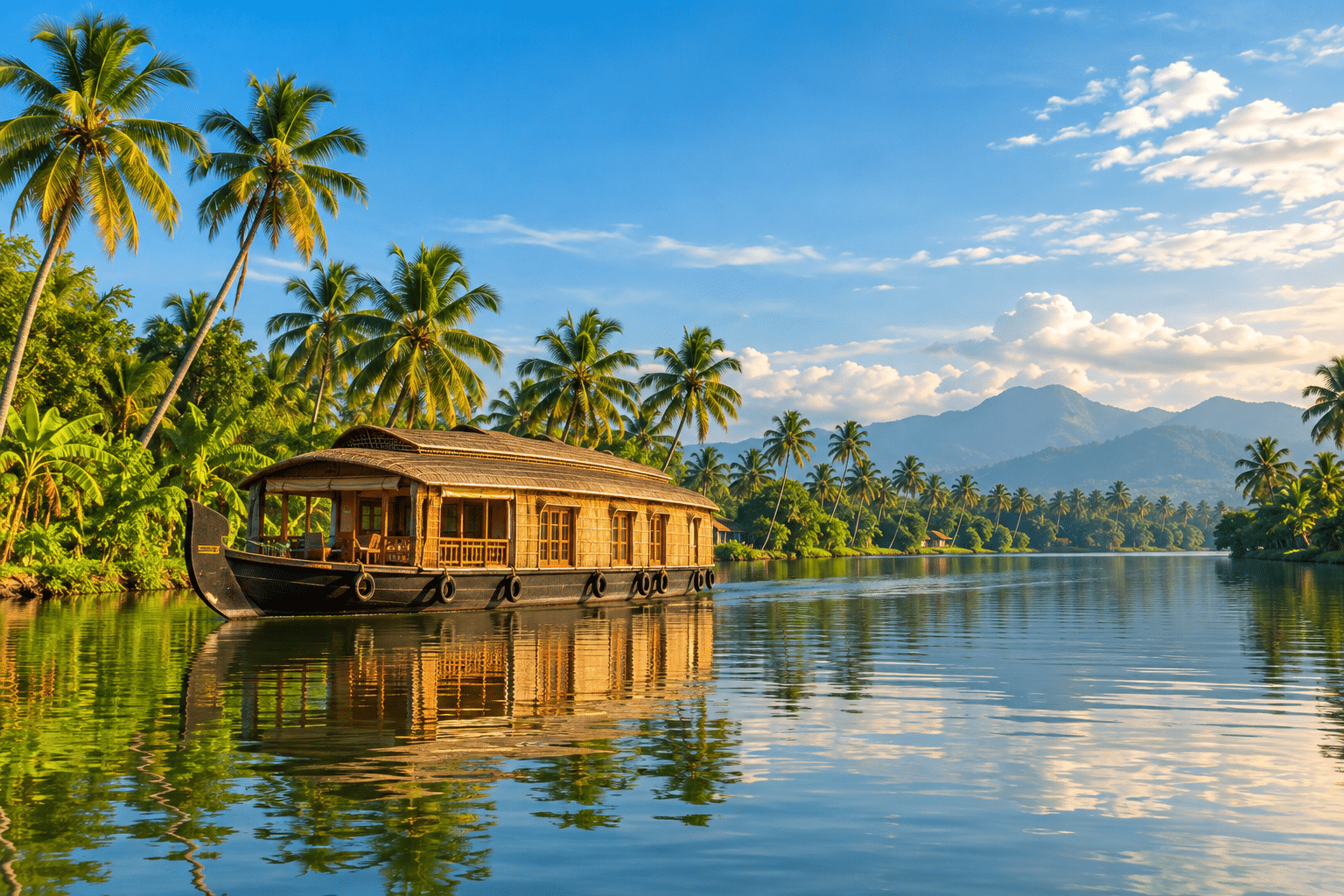
- Backwater cruises: Calm waters and clear skies make houseboat journeys through Alleppey and Kumarakom especially enjoyable.
- Beach visits: Coastal towns such as Kovalam and Varkala shine with sunny days and gentle sea breezes.
- Wildlife safaris and boat rides: Cooler mornings make early excursions at Periyar and Wayanad more comfortable and rewarding.
- Festivals and culture: The Cochin Carnival in Fort Kochi on New Year’s Eve, Christmas celebrations, and the start of the Theyyam performance season in North Kerala add cultural depth to winter travel.
Because it is peak season, hotels, houseboats and popular experiences fill up quickly, especially around Christmas and New Year. Book your stays and experiences well in advance.
Summer (March to May): Warm Days, Fewer Crowds
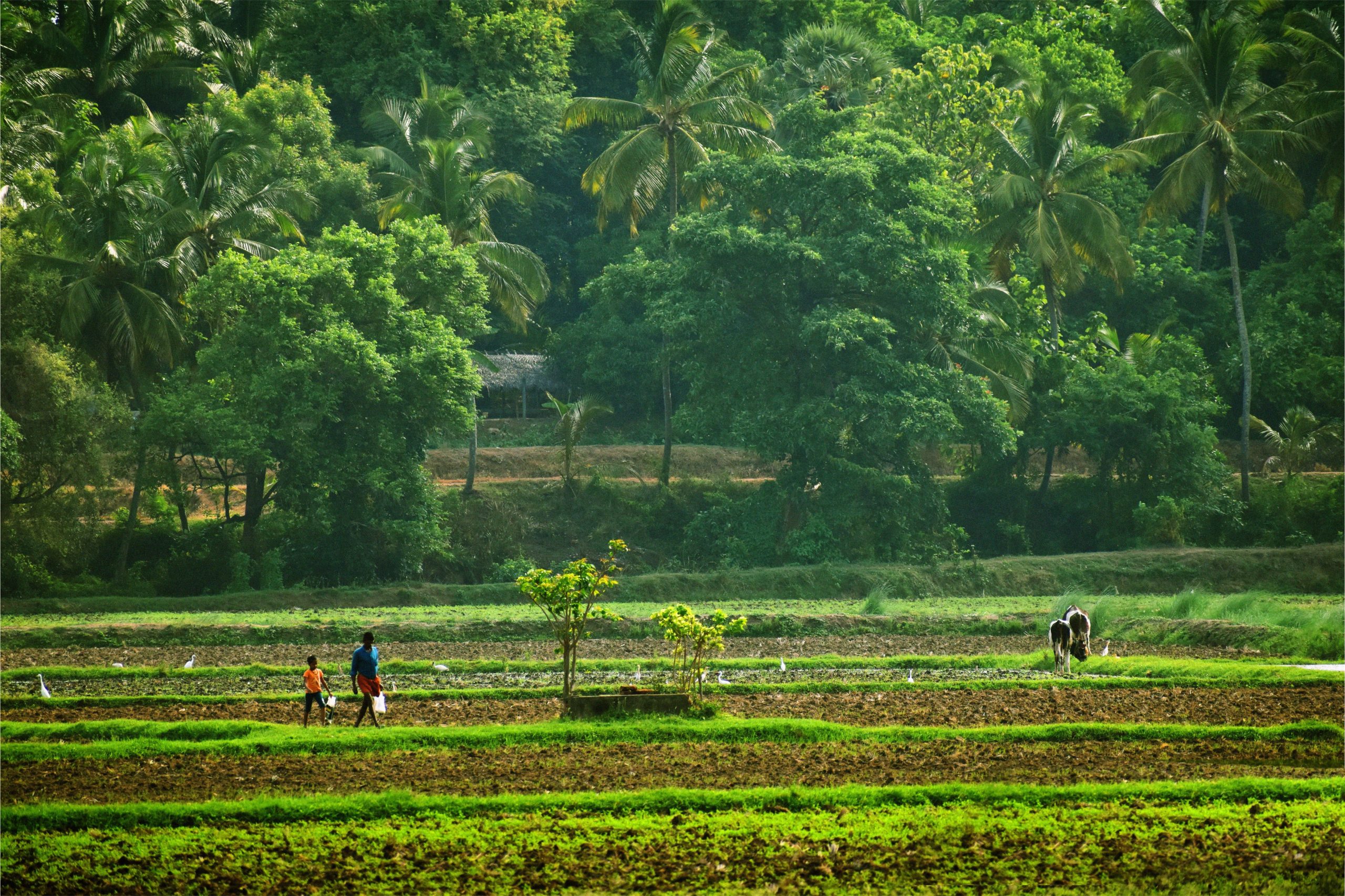
Summer turns up the heat. Temperatures can climb past 35°C in the plains and coastal areas, and the humidity adds to it. Even so, this season has its appeal if you prefer quieter destinations and better value.
Head to the hills. Munnar and Wayanad stay pleasantly cool while the lowlands are warm, which makes them excellent for sightseeing without winter’s crowds. Summer also brings two of Kerala’s most colorful events: Vishu, the Malayalam new year in April, and Thrissur Pooram, the spectacular temple festival with decorated elephants.
- Budget-friendly travel: Lower demand often means discounted rates on hotels and tours.
- Stay hydrated: Carry water and wear breathable clothing when exploring Kerala in the warmer months.
- Plan early excursions: Visit outdoor attractions in the morning or late afternoon to avoid the peak heat.
For destination ideas, see our guide to the best hill stations in Kerala for summer.
Monsoon (June to September): Lush Greenery and Ayurveda Retreats
The monsoon turns Kerala into one giant green canvas. Rivers swell, waterfalls roar back to life, and the air feels fresh and cool. The rain can be intense, but this season has a magic that many travelers overlook.
It is also the traditional season for Ayurvedic treatments. The humid, cool conditions are believed to help the body absorb herbal oils and therapies more effectively, which is why many people plan wellness stays at this time. Read more in our guide on why monsoon is considered the best time for Ayurveda treatments in Kerala.
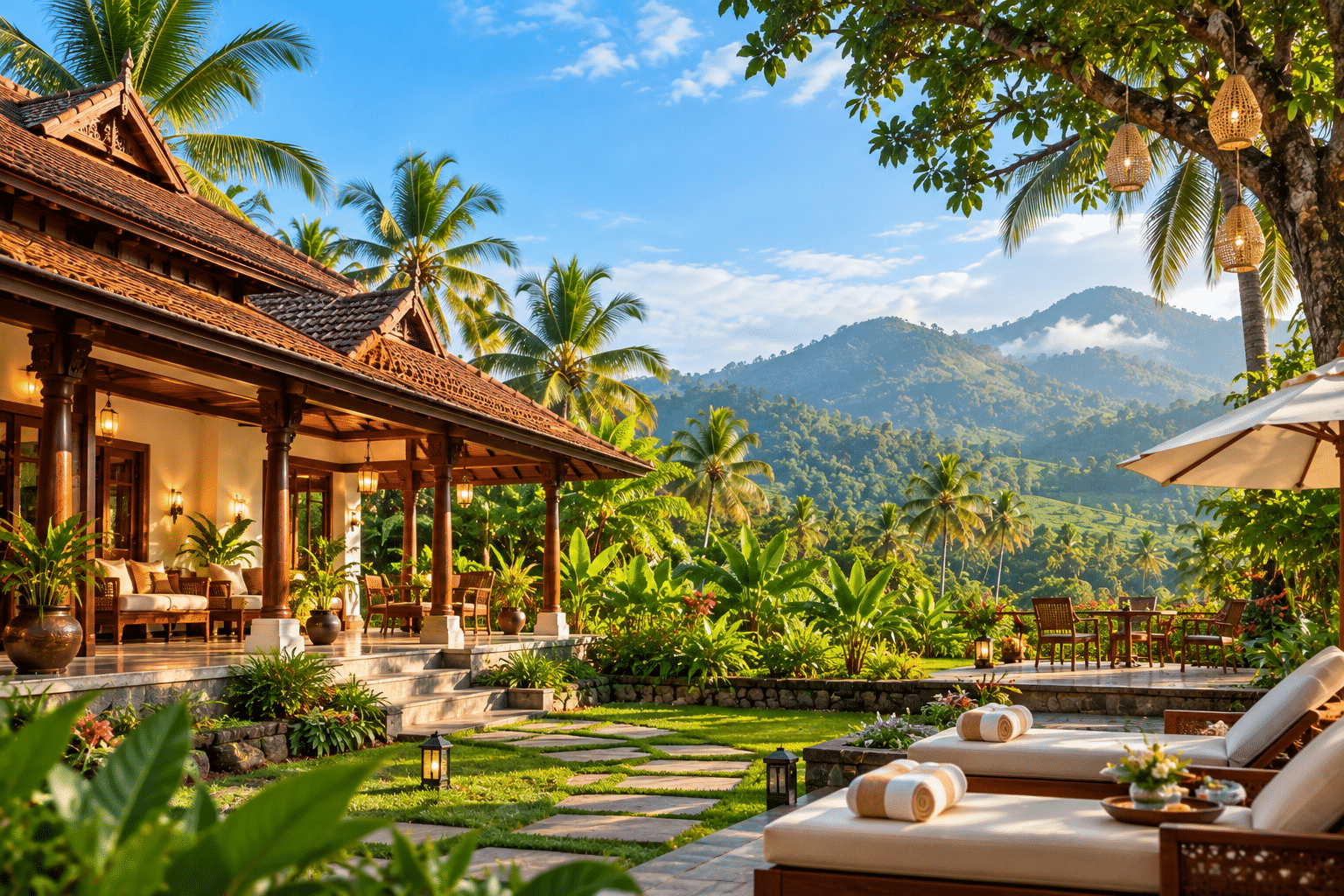
- Wellness retreats: Many resorts offer monsoon packages that combine Ayurveda with scenic views.
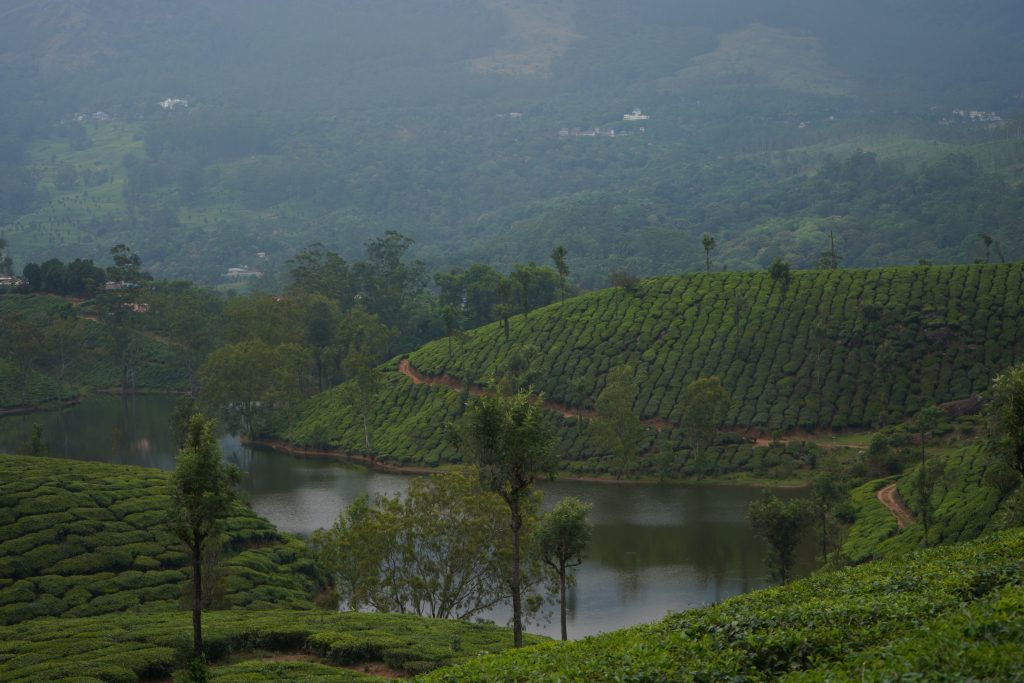
- Lush landscapes: Tea plantations, forests and waterfalls look especially vibrant and photogenic.
- Festivals and events: Onam arrives at the end of the season in late August or September, and the Nehru Trophy Boat Race usually takes place in August.
- Caution advised: Heavy rain can disrupt trekking, boating, and some sightseeing, so check local weather updates and advisories before planning outdoor activities.
If relaxing and recharging is the purpose of your trip, the monsoon may be the season you did not know you needed. Our Kerala tour packages for the monsoon season guide and our tips on traveling responsibly during the monsoon are good places to start.
What’s The Best Time for Kerala Sightseeing: Top Destinations by Season?
Kerala for sightseeing covers a lot of ground: quiet backwaters, colonial streets and hill stations wrapped in mist. Each place feels like a different destination depending on when you arrive.
- Alleppey (Alappuzha): The backwaters look good all year, but November to February is the easiest time to enjoy calm water, clear skies and smooth houseboat rides. See our Alleppey houseboat packages guide.
- Fort Kochi: With its colonial buildings and Chinese fishing nets, it is best for walking tours from November to February and in early summer.
- Munnar: The tea hills stay scenic and cool in winter and summer. In the monsoon, it turns misty and dramatic, with waterfalls everywhere. Our guide to the best time to visit Munnar covers this in detail.
- Thekkady (Periyar): Winter is best for wildlife viewing and boat rides, when animals gather near water sources.
- Wayanad: Pleasant in winter and summer, and strikingly green in the monsoon, though some viewpoints and trails may be restricted in heavy rain.
- Kovalam and Varkala: Beach conditions are best from November to February, when seas are calmer.
Which season wins for sightseeing? It depends on you. Some travelers want comfortable weather and clear views, while others prefer the raw, dramatic scenery the monsoon delivers. For more ideas, browse our guide to Kerala sightseeing.
What’s The Best Time for Kerala Outdoor Activities: Timing for Adventure Seekers?
If you are planning Kerala for outdoor activities, timing matters even more than it does for general sightseeing. Weather affects trail safety, wildlife sightings and whether you can get on the water at all.
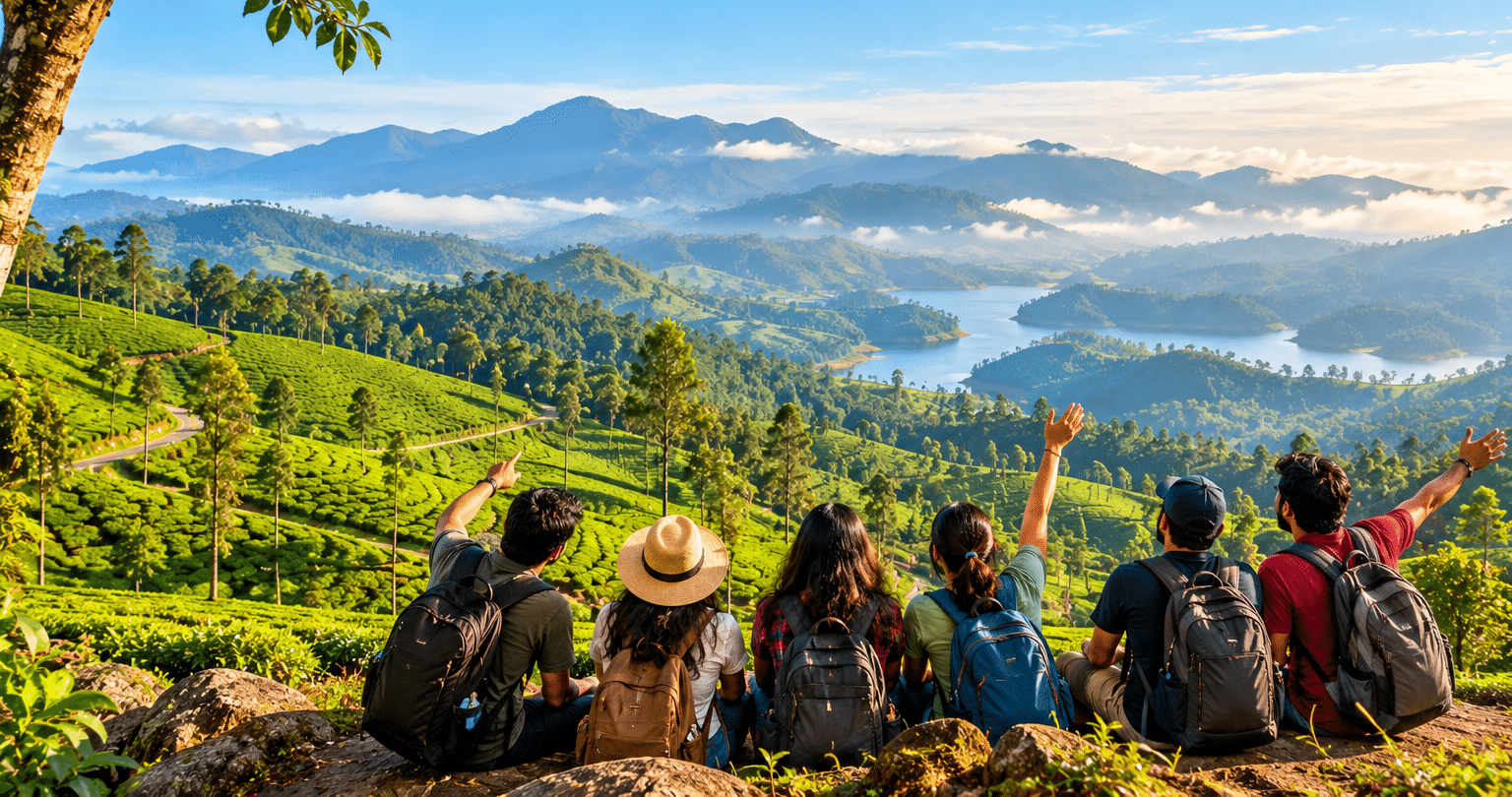
- Trekking in the Western Ghats: Winter and early summer offer drier trails and clearer views, which makes them the best months for hiking. Explore popular trekking trails in Kerala.
- Wildlife safaris: The sanctuaries at Periyar and Wayanad are most rewarding in winter, when animals gather near water and are easier to spot. See our list of wildlife sanctuaries in Kerala.
- Houseboat cruises, canoeing and water sports: Cooler months, especially November through February, offer the calmest backwaters.
- Waterfalls: The monsoon is when waterfalls such as Athirappilly are at their fullest, though viewing areas can close during heavy rain. Learn more about the most beautiful waterfalls in Kerala.
- Adventure activities: Camping, paragliding, ziplining and similar activities are generally best in the drier months. Our guide to adventure activities in Kerala has more.
In the monsoon, trails can be slippery and rivers unpredictable, so consult local guides and check seasonal advisories before any outdoor excursion. Going with experienced local operators is safer, and it usually makes for a better experience too.
Sustainable and Community-Focused Travel in Kerala
Kerala has promoted eco-friendly, community-based tourism for years, and more travelers want to take part. Choosing sustainable options helps protect the landscape and puts income directly into local hands.
- Homestays: Many are run by local families, offering warm hospitality with a smaller footprint than large resorts.
- Responsible houseboat operators: Look for companies that use solar power and manage waste properly along the backwaters.
- Community-led tours: Village-based experiences let you meet local artisans and fishermen directly. Read more about community tourism and village homestays in Kerala.
- Eco-certified resorts: Many hill station properties now follow sustainable building and water conservation practices.
With a little planning, you can build a trip around these values, and it will feel like more than a vacation.
Choosing the Best Season to Visit Kerala Based on Your Interests
Everyone wants something different from a trip. Match your priorities to the right season, and the plan falls into place.
- Culture and festivals: Winter brings the Cochin Carnival, Christmas and Theyyam season. Summer has Vishu and Thrissur Pooram, and late monsoon has Onam. See our guide to popular festivals in Kerala.
- Adventure and trekking: Winter and early summer offer the safest, most scenic conditions.
- Relaxation and wellness: The monsoon is well suited to Ayurveda treatments and peaceful green surroundings.
- Budget travel: Summer and the monsoon offer lower prices and fewer crowds, particularly in the hill stations.
- Luxury stays: If you prefer heritage properties, private houseboats and resort retreats, a Kerala Luxury Tour is most comfortable from November to February, while monsoon luxury retreats pair Ayurveda with quiet, rain-soaked scenery. Our guide to luxury vs budget Kerala tours explains the difference.
- Romance: Couples often choose December to February for a Kerala Honeymoon Package, while the monsoon suits those who prefer a quieter, more private escape. See planning a rainy season honeymoon in Kerala.
So what is the best season to visit Kerala? It depends entirely on what you are after. If you can, stay flexible with your dates, because it makes a real difference.
Plan Your Kerala Getaway with Paradise Holidays
The best time to visit Kerala depends on your weather tolerance and what you want to do there. Winter suits sightseeing and festivals, summer suits hill stations and tighter budgets, and the monsoon suits wellness and deep green landscapes. Pick your priority, and Kerala delivers. Once you have chosen your season, our team can help you build the trip around it. Explore our Kerala tour package options, browse a curated Kerala Luxury Tour, or look at our Kerala Honeymoon Package options for couples. If you would like personal advice on dates and itineraries, contact the Paradise Holidays team.
Contact Paradise Holidays
For sales and general enquiries, our team is happy to help you choose the right season, dates and itinerary.
- Phone: +91 99478 76214 / +91 96337 88866
- Email: info@paradise-kerala.com
- Website: www.paradise-kerala.com
- Address: Paradise Holidays (Unit of Raveendra Hospitality Pvt. Ltd.), Paradise Towers, East Kadungalloor, Aluva, Ernakulam, Kerala 683102
Frequently Asked Questions About Best Time to Visit Kerala
December and January are widely considered the best months, with dry weather, comfortable temperatures and the full range of sightseeing and outdoor activities available.
Yes, if you enjoy lush scenery, waterfalls and Ayurveda. Plan flexible itineraries and avoid trekking or boating on heavy-rain days.
November to February offers the calmest water and clearest skies. Houseboats also run in other months, but may be restricted during heavy rain.
Winter and early summer are best for trekking, and winter is best for wildlife sightings at Periyar and Wayanad.
Summer and the monsoon usually have the lowest hotel and tour rates, apart from festival weeks such as Onam.
For Christmas and New Year, book as early as you can, as hotels and houseboats fill up well in advance.