
Neelakurinji Blooms Again

- Entry tickets here cost ₹250 for adults, ₹100 for children under 12, and are free for children under five.
- Tickets cost ₹200 for adults, ₹50 for children, and ₹400 for foreign nationals.
- It blooms once in its lifetime (covering hillsides in violet-blue) before dying and leaving behind seeds that germinate and flower again after 12 years.
- Plucking flowers or damaging plants carries a fine of up to ₹25,000 and up to three years in prison.
- Munnar's Chokramudi hills have been in bloom since July 2026 — four years ahead of the bloom everyone's been saving their calendar for.
The hills are blue again. Munnar’s Chokramudi hills have been in bloom since July 2026 — four years ahead of the bloom everyone’s been saving their calendar for. Here’s what most people get wrong: Munnar’s Neelakurinji flowers don’t exist as a single population — different colonies follow different 12-year cycles. The Chokramudi–Mattupetty population last flowered in 2014, making 2026 its expected year. The population at Eravikulam National Park last bloomed in 2018; its next mass flowering is expected in 2030.
So if you’re waiting for 2030, you’ll miss this one entirely.
What Is Neelakurinji?
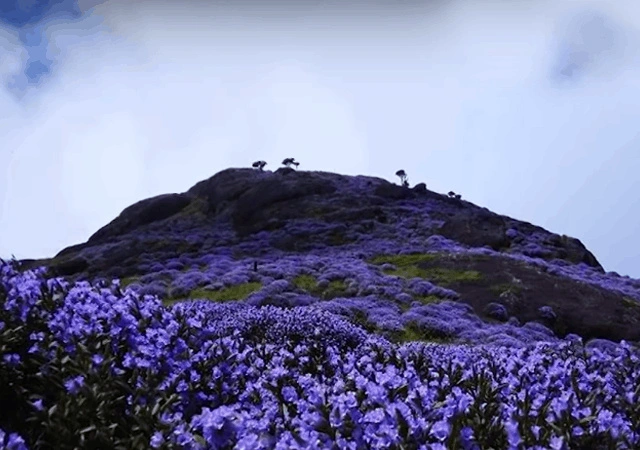
Neelakurinji (Strobilanthes kunthiana) grows in the shola grasslands of the Western Ghats at altitudes between 1,500 and 2,500 metres. It blooms once in its lifetime (covering hillsides in violet-blue) before dying and leaving behind seeds that germinate and flower again after 12 years.
The Muthuvan tribes, Munnar’s original inhabitants, have traditionally measured age by the number of Neelakurinji blooms they have witnessed. The IUCN assessed the species for the first time in 2024 and classified it as Vulnerable, highlighting growing concerns about its declining population and habitat. This makes witnessing a bloom and doing so responsibly more meaningful than ever.
Where to See It in 2026
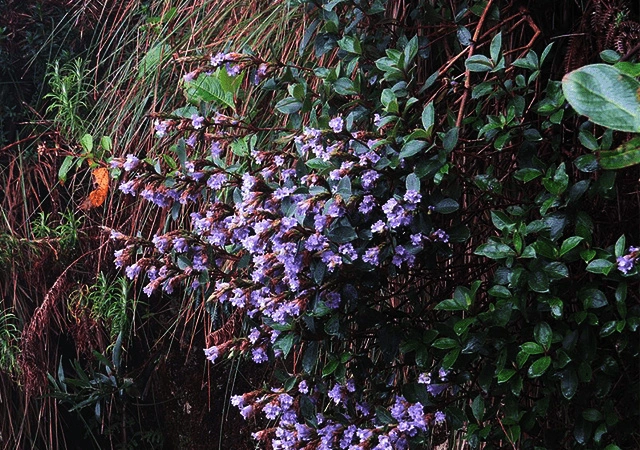
The current bloom is concentrated around Chokramudi, Korandakkad, and Mattupetty. Forest officials expect it to spread to Meesapulimala, Edalimedu, Sevenmala, and Gundumala as conditions improve. Scattered blooms have also been reported around Chinnakanal.
Korandakkad (along the Munnar–Mattupetty road) is the most accessible viewpoint. Entry tickets here cost ₹250 for adults, ₹100 for children under 12, and are free for children under five. After the viewpoint, you can continue to Mattupetty Dam, Kundala Dam, Echo Point, Top Station, and the village of Vattavada, 7 km from the national park.
Chokramudi is for those who want the full experience on foot. The forest department manages entry here from 7:00 AM to 4:00 PM. Tickets cost ₹200 for adults, ₹50 for children, and ₹400 for foreign nationals. KSRTC runs special bus services from Munnar town to Devikulam to manage road congestion.
Practical Information
Nearest airport: Cochin International Airport (COK) — 110 km, approximately 3 hours. Nearest railway station: Aluva — 110 km, approximately 3 hours. Recommended duration: 2 days, 1 night.
Private vehicles and taxis are not permitted beyond Munnar town. Park in Munnar and board KSRTC shuttle buses to the Devikulam entrance.
A note on responsible visiting: Neelakurinji is listed under Schedule 3 of the Wildlife Protection Act, 1972. Plucking flowers or damaging plants carries a fine of up to ₹25,000 and up to three years in prison. The bloom ends — and so does the plant’s life. Treat it accordingly.
When to Go
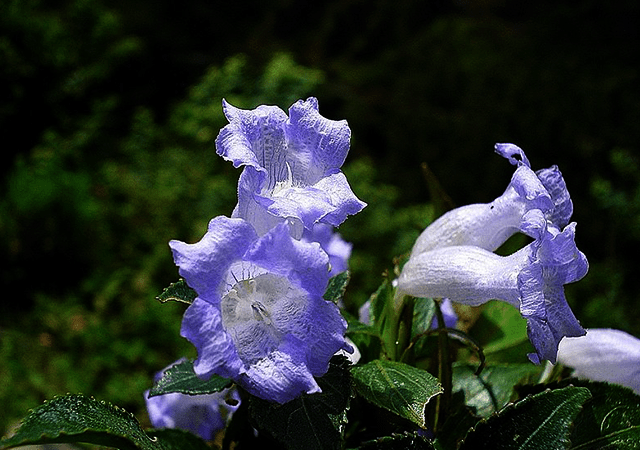
The bloom window closes around September 30, 2026. The next comparable opportunity — Eravikulam National Park’s mass flowering — is in 2030. Plan your trip with us — custom Kerala tour packages, no fixed pricing, and someone who actually knows these hills.