
What Is the Best Time to Visit Kerala? A Seasonal Guide for 2026
- Kerala Tourism also identifies November to February as a pleasant peak travel period, while March to May and June to September can suit travellers looking for fewer crowds and potentially lower prices.
- Winter favours general sightseeing, summer suits selected hill and wildlife trips, while monsoon appeals to wellness and rain-loving travellers.
- For travellers considering Kerala Honeymoon Packages, October to March offers plenty of flexibility when building a multi-destination itinerary.
- For comfortable sightseeing, beach days, backwater cruises and a classic Kerala itinerary, October to March is generally the most popular period.
- Similarly, Kerala holiday packages can be adapted around family preferences, weather and the number of destinations included.
The best time to visit Kerala depends less on the calendar and more on the kind of holiday you want. For comfortable sightseeing, beach days, backwater cruises and a classic Kerala itinerary, October to March is generally the most popular period. If lower crowds, greener landscapes or Ayurveda appeal more, the monsoon months offer a different experience. Summer can also work well, particularly for travellers interested in hill stations, wildlife and better-value stays. So, when is the best time to visit Kerala? The answer depends on your destinations, activities, budget and tolerance for rain. This seasonal guide breaks down what each period offers, including the rainy season and monsoon season in Kerala 2026.
What Is the Best Season to Visit Kerala?
For most first-time visitors, October to March is the best season to visit Kerala. The weather is generally more comfortable for sightseeing during these months. This makes it easier to combine destinations such as Munnar, Thekkady, Alleppey, Kochi and Kovalam in one trip. Kerala Tourism also identifies November to February as a pleasant peak travel period, while March to May and June to September can suit travellers looking for fewer crowds and potentially lower prices.
Here is a quick comparison:
| Season | Months | Best for | What to expect |
|---|---|---|---|
| Winter | October–February/March | First trips, families, beaches, backwaters | Pleasant weather, higher demand |
| Summer | March–May | Hill stations, wildlife, value travel | Hotter coast, cooler highlands |
| Monsoon | June–September | Ayurveda, greenery, slow travel | Frequent rain and lush landscapes |
| Northeast monsoon | October–November | Rain lovers, greenery, cultural trips | Intermittent showers in many areas |
Kerala has a tropical climate with two distinct rainy periods. The southwest monsoon generally arrives around June, followed by the northeast monsoon from around October. That means October is not always a completely dry month. Weather can vary between districts, especially during seasonal transitions.
October to March: The Best Time for a Classic Kerala Trip
If this is your first visit, this is usually the easiest time to plan a Kerala holiday. The weather suits long road journeys, sightseeing and outdoor activities better than the hotter months. Hill stations remain cool, while the coast and backwaters are comfortable for exploration.
What can you do?
A typical itinerary can combine:
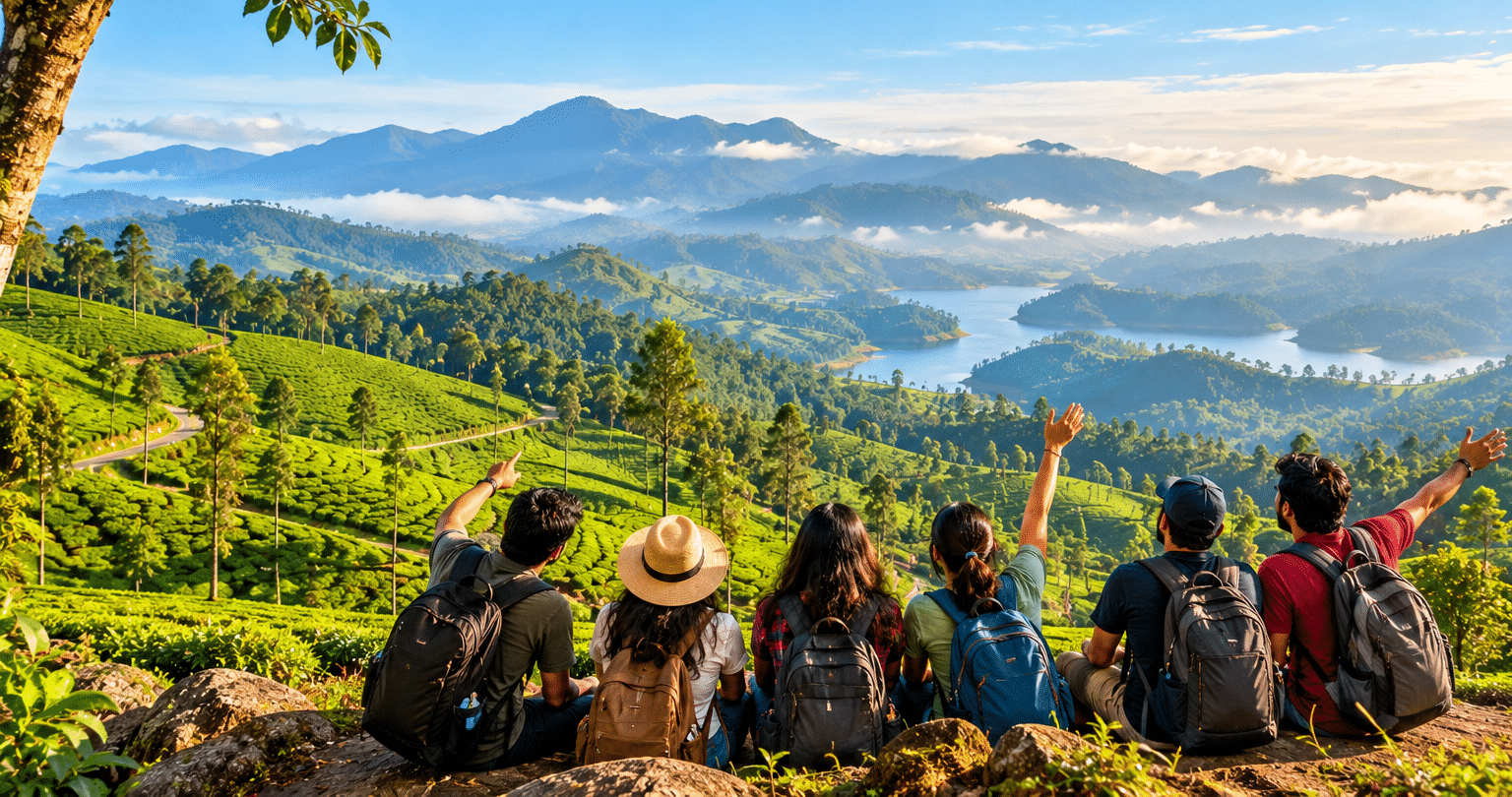
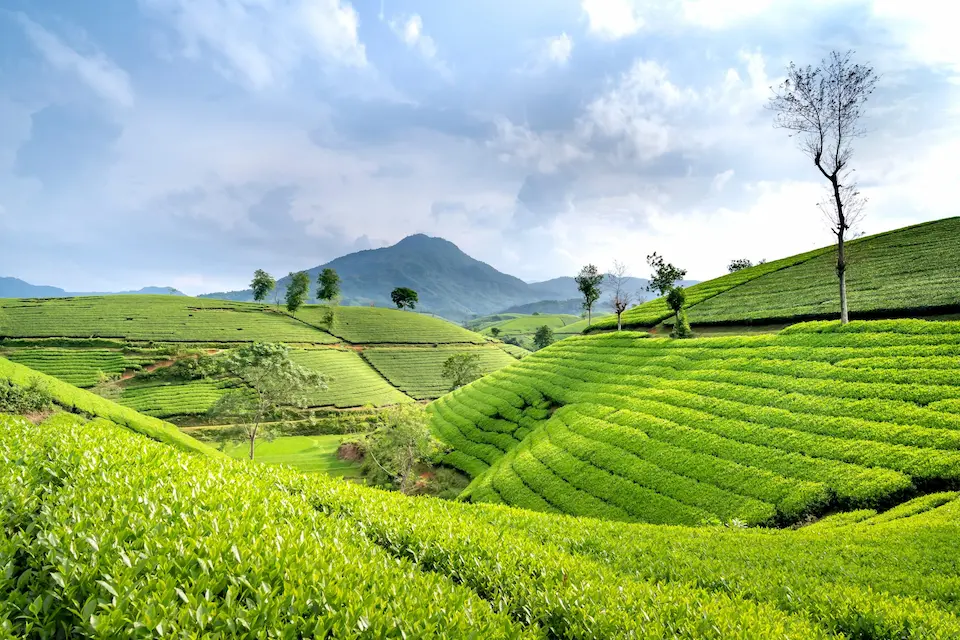
- Tea plantations and viewpoints in Munnar
- Wildlife experiences around Thekkady
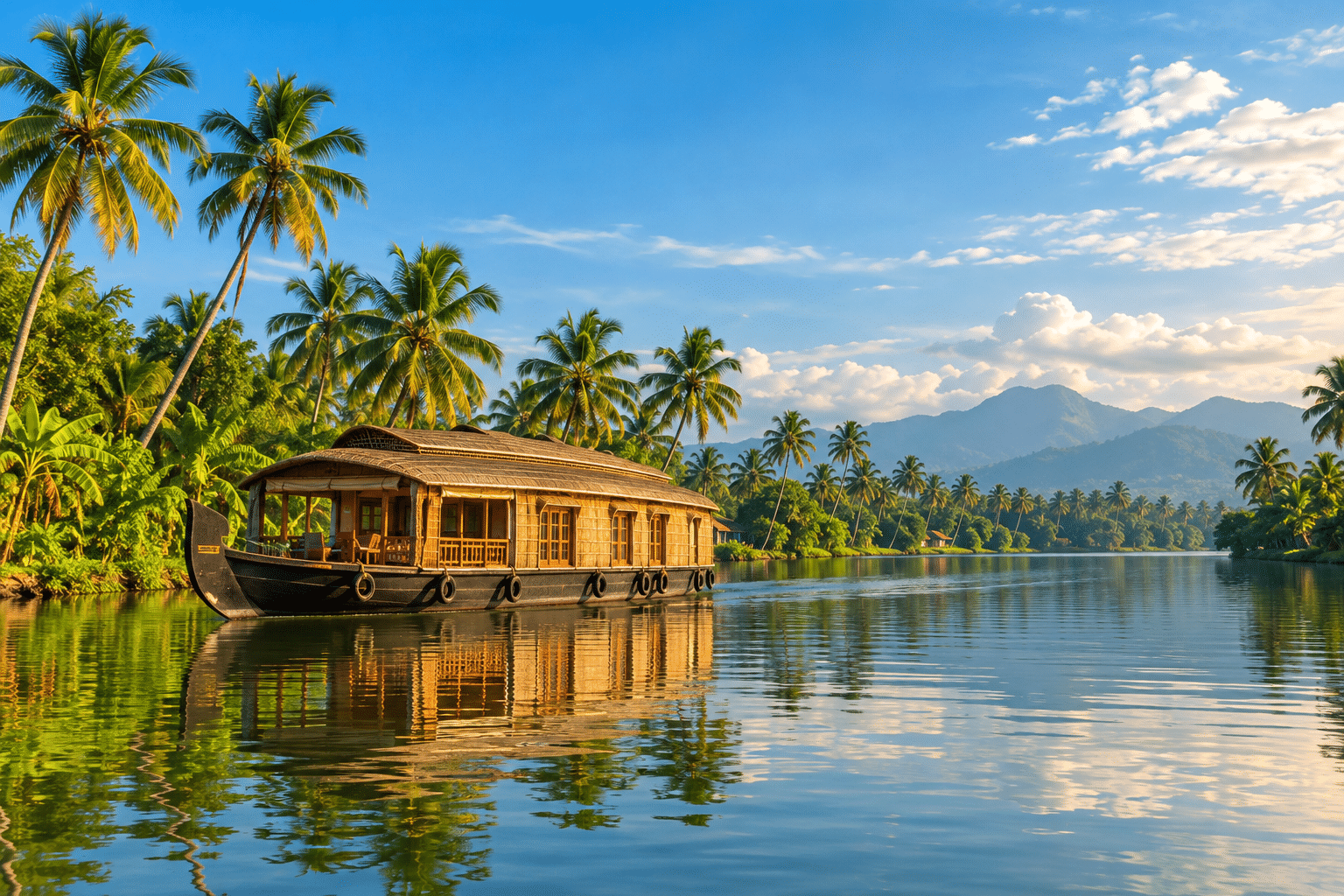
- Houseboat cruises in Alleppey
- Fort Kochi’s heritage streets
- Beach time at Varkala or Kovalam
- Local food and cultural performances
December, January and February are especially popular because temperatures are generally pleasant. Kerala Tourism notes that these months are usually cooler and more comfortable, although Kerala does not have a sharply defined winter.
Is winter good for families?
Yes. Families often prefer this period because outdoor sightseeing is easier to manage. A balanced family itinerary can include Munnar, Thekkady and Alleppey without relying heavily on weather-dependent activities.
What about honeymooners?
Winter is also a strong choice for couples. Clearer weather can make it easier to combine hill stations, private stays, houseboats and beaches. For travellers considering Kerala Honeymoon Packages, October to March offers plenty of flexibility when building a multi-destination itinerary. The main drawback is demand. Popular hotels and houseboats can fill up quickly around Christmas, New Year and other holiday periods.
March to May: A Good Season for Value and Hill Stations
Summer does not get as much attention, but it can be a smart choice for the right traveller. Coastal Kerala becomes hot and humid. The higher elevations, however, offer a welcome change. Munnar, Wayanad, Vagamon and other high-range destinations can feel considerably more comfortable than the lowlands.
This makes summer useful for:
- Hill station holidays
- Wildlife trips
- Photography
- Short breaks
- Travellers seeking quieter periods
- Budget-conscious holidays
Kerala Tourism describes March to May as a warmer period, with coastal and midland areas becoming hot and humid.
Is summer cheaper?
It can be. Demand is generally lower than during the peak winter period, although prices vary by hotel, destination, weekend and holiday dates. Rather than assuming a fixed discount, compare accommodation and package rates for your exact dates. For travellers looking for value, this can make summer worth considering.
Where should you go?
Focus on Kerala’s highlands and wildlife destinations.
- Munnar: Tea estates, viewpoints and cooler mountain weather.
- Wayanad: Forests, plantations, caves and outdoor experiences.
- Thekkady: Wildlife-focused itineraries and the Periyar landscape.
- Athirappilly: Waterfalls and forest scenery, particularly when water levels are favourable.
Summer also works well when the itinerary does not try to cover the entire state. A focused hill-and-wildlife trip can be more comfortable than a long coastal circuit.
June to September: Monsoon Season in Kerala 2026
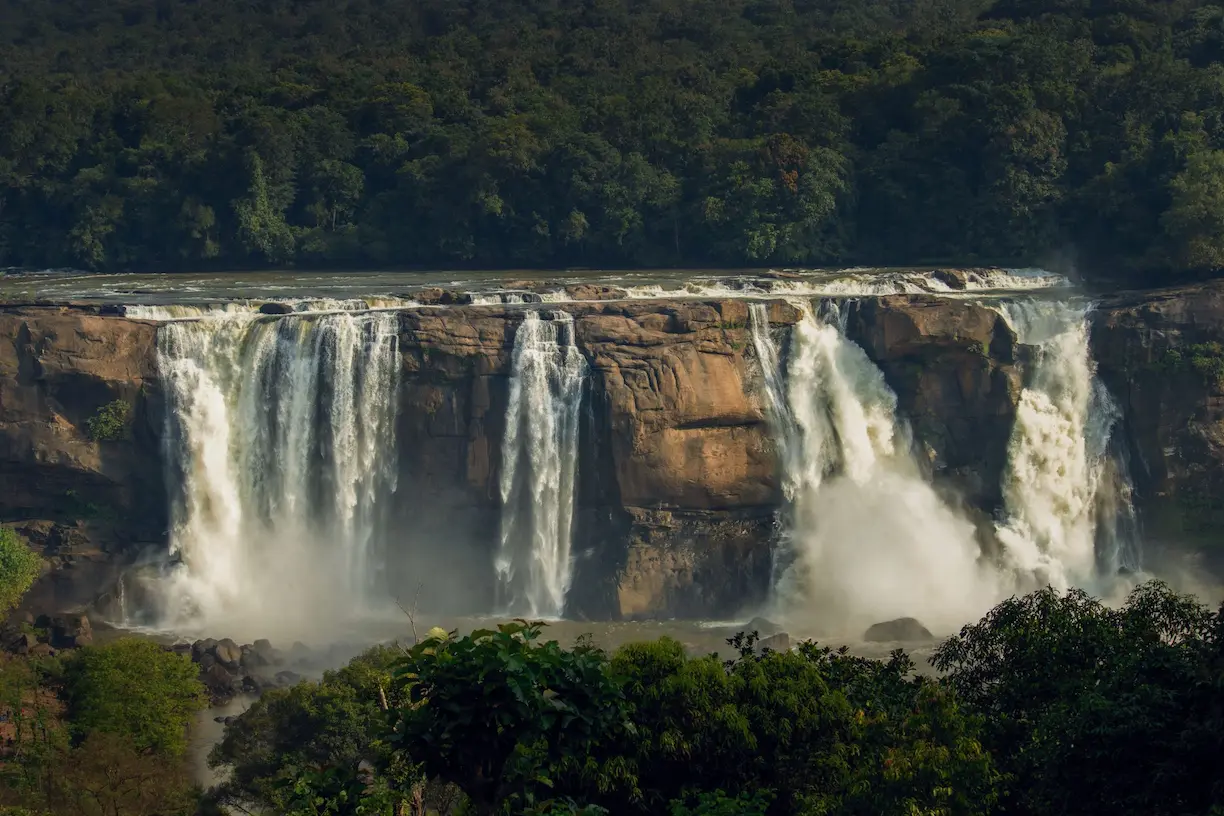
The monsoon season in Kerala 2026 is ideal for travellers who do not mind rain. The southwest monsoon normally reaches Kerala around the beginning of June. In 2026, the India Meteorological Department forecast the onset around 4 June, and the monsoon subsequently advanced across the state. Rain changes the character of Kerala. The hills become intensely green. Rivers and backwaters swell. Waterfalls become more dramatic. The air feels cooler after showers, although humidity remains high. Kerala Tourism notes that monsoon rain does not necessarily mean continuous rain all day. Sunny intervals can occur between showers, although heavier spells are also possible.
Why visit during the monsoon?
Monsoon travel suits people who value atmosphere over predictable weather. It is particularly appealing for:
- Ayurveda and wellness stays
- Green landscapes
- Waterfalls
- Slow travel
- Photography
- Fewer crowds
- Rain-focused experiences
Ayurveda is another major reason to consider this period. Kerala Tourism describes the monsoon as a traditional period for rejuvenation therapies and Ayurvedic treatments.
What should you expect?
Rain can affect outdoor plans. A boat ride, trek or sightseeing stop may need to shift according to local weather. Some activities can also be restricted during periods of heavy rain or unsafe water conditions. That is why monsoon itineraries need more flexibility than winter itineraries. Carry a lightweight raincoat, waterproof footwear, a small umbrella and protection for electronic devices. Kerala Tourism also recommends rain protection and suitable clothing when travelling during the rainy season.
Rainy Season in Kerala 2026: Is It Worth Visiting?
Yes, provided the purpose of the trip matches the weather. The rainy season in Kerala 2026 should not be treated simply as an off-season to avoid. It is a distinct travel experience. Monsoon is particularly interesting around:
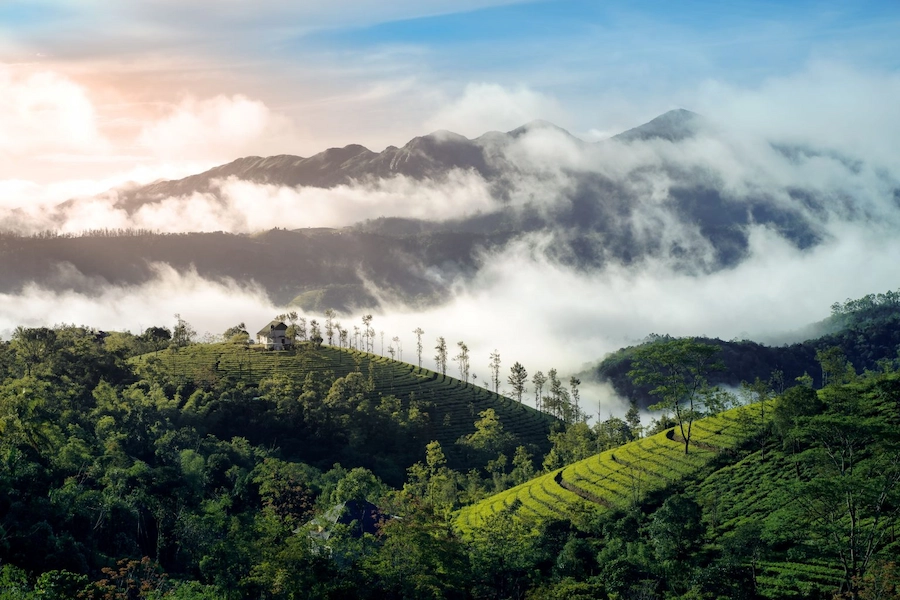
- Munnar and the Western Ghats: Mist, rain-fed streams and intensely green slopes.
- Alleppey and Kumarakom: Backwaters surrounded by wet paddy fields and village landscapes.
- Wayanad: Forests and plantations become especially green.
- Athirappilly: Water levels can make the waterfalls particularly impressive, although conditions should always be checked locally.
The southwest monsoon is usually strongest from June through August. October and November bring another rainy phase associated with the northeast monsoon. For a monsoon trip, avoid packing too many fixed outdoor activities into one day. Leave enough room to change plans.
Which Season Is Best for Different Types of Travellers?
There is no single answer to the question of the best time to visit Kerala. The right month depends on the experience you want.
| Travel goal | Recommended period | Why |
|---|---|---|
| First Kerala trip | October–March | Comfortable for a broad itinerary |
| Family holiday | October–March | Easier for sightseeing and transfers |
| Honeymoon | October–March | Good mix of hills, backwaters and beaches |
| Ayurveda | June–September | Traditional monsoon wellness period |
| Green landscapes | June–September | Rain refreshes forests and hills |
| Wildlife | March–May | Useful period for focused wildlife trips |
| Hill stations | October–May | Cooler highlands and varied scenery |
| Budget travel | March–September | Often lower demand, depending on dates |
| Rainy-season experience | June–September | Best for monsoon atmosphere |
| Festivals | Depends on calendar | Travel around specific event dates |
For kerala tours package planning, the season should influence the route as much as the hotel category. A winter package can comfortably combine beaches and backwaters. A monsoon package may work better with fewer long transfers and more time at resorts or wellness centres. Similarly, Kerala holiday packages can be adapted around family preferences, weather and the number of destinations included.
2026 Kerala Festivals Worth Planning Around
Seasonal travel becomes even more interesting when it coincides with a major festival.
Onam – August 2026
Onam is one of Kerala’s most important festivals. It brings together floral decorations, traditional food, cultural performances and community celebrations. Kerala Tourism’s 2026 calendar places Thiruvonam on 26 August 2026. Kerala Tourism has also announced its state-level Onam Tourism Week celebrations from 24 to 30 August 2026. Travelling around this period can add a strong cultural dimension to a Kerala itinerary. However, popular destinations may be busier, so accommodation and transport should be planned early.
Other Festival Travel
Kerala’s annual calendar includes temple festivals, boat races, cultural events and traditional performances. Festival dates can vary according to local calendars and customs. Always verify the final date before building an itinerary around a specific event.
How to Choose the Right Kerala Tour Package
The best itinerary is not necessarily the one that covers the most places. Start with three questions:
- What experience matters most?
- How many days are available?
- Which weather conditions are comfortable?
A seven-day winter itinerary can combine Kochi, Munnar, Thekkady and Alleppey. A shorter monsoon trip might focus on Kumarakom, Alleppey and an Ayurveda stay. A summer holiday could concentrate on Munnar, Wayanad or Thekkady rather than adding several coastal stops. Paradise Holidays approaches seasonal planning from this practical angle. Local knowledge can help balance driving time, weather, accommodation and the experiences that matter most to each traveller. This is particularly useful for customised itineraries, where the same destination can feel very different depending on the month.
Practical Tips for Visiting Kerala in 2026
A few simple choices can make seasonal travel easier.
- Check the weather before travelling. Kerala’s weather can differ between the coast, midlands and highlands.
- Keep the itinerary flexible during the monsoon. Outdoor plans may need to be adjusted after heavy showers.
- Book peak-season stays early. December through February sees strong demand in many destinations.
- Pack for more than one climate. Munnar can feel much cooler than coastal Kerala.
- Allow realistic transfer times. Kerala’s winding roads can make journeys between destinations longer than expected.
- Choose destinations around your interests. Do not select a route only because it is popular.
- Check local activity conditions. Boat rides, trekking routes and wildlife activities can depend on weather and local safety instructions.
For travellers working with Paradise Holidays, these details can be factored into a personalised route rather than treated as separate decisions
Plan Your Kerala Trip With Paradise Holidays
Planning a Kerala trip around the right season can make a real difference. Paradise Holidays can help with practical itinerary planning, destination selection and personalised travel arrangements based on your travel dates.
Contact Details
Sales Team & General Inquiries
Email: info@paradise-kerala.com
Phone: 9947876214 / 9633788866
Frequently Asked Questions
October to March is generally the easiest period for a first trip to Kerala. The weather is more comfortable for combining hill stations, backwaters, beaches and cultural attractions.
October to March is usually the most convenient choice. Couples can combine Munnar, Thekkady, Alleppey and coastal destinations with fewer weather-related disruptions.
Yes, especially for Ayurveda, greenery, waterfalls and quiet stays. Travellers should expect frequent rain and keep outdoor plans flexible.
Winter is generally the higher-demand season, particularly around Christmas, New Year and other holidays. Hotel and package prices depend on dates, property type and itinerary.
Yes. Kerala is a year-round destination, but each season suits different travel styles. Winter favours general sightseeing, summer suits selected hill and wildlife trips, while monsoon appeals to wellness and rain-loving travellers.