
Kerala Piravi: History, Significance and How Kerala Formation Day Is Celebrated
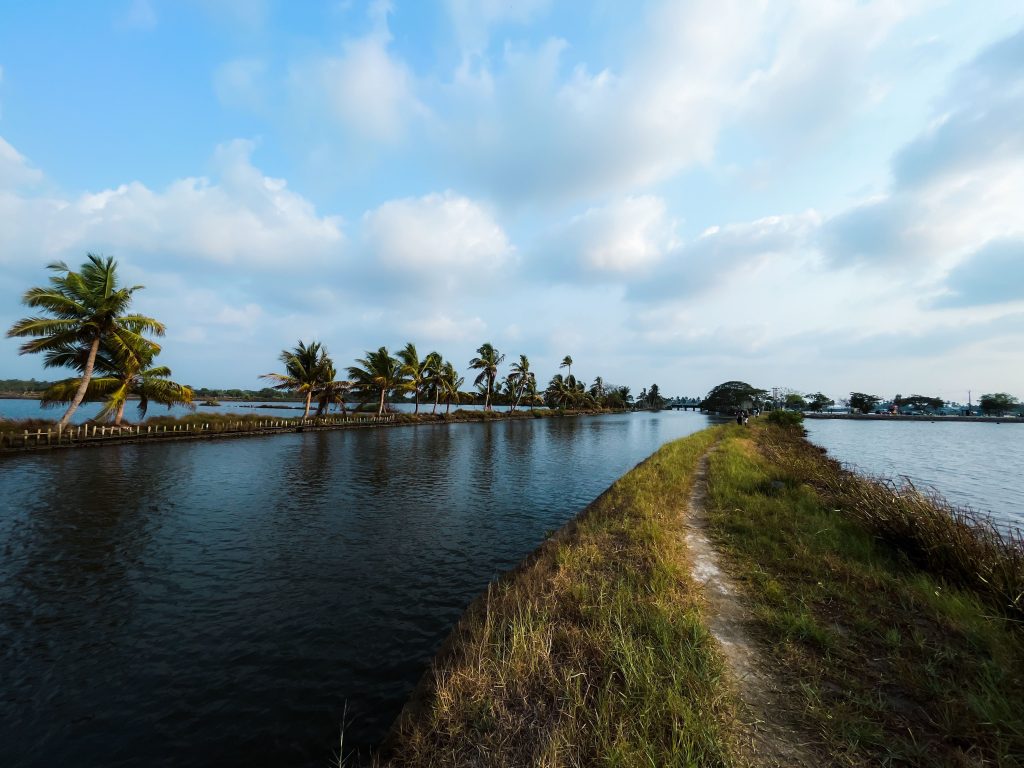
- Kerala Piravi commemorates 1 November 1956, when Malayalam‑speaking regions were unified into a single state under the States Reorganisation Act.
- The formation merged Travancore‑Cochin, the Malabar district of the former Madras Presidency, and Kasaragod taluk, creating a state that stretches from Kasaragod to Thiruvananthapuram.
- The day highlights Kerala’s collective achievements—high literacy, progressive social reforms, and a strong public‑health system—stemming from its unified governance.
- Celebrations include flag‑hoisting ceremonies, folk‑song performances by schoolchildren, cultural programmes, food fairs, and community gatherings throughout the state.
- Visitors are encouraged to join the festivities respectfully, recognizing that each event reflects the historical merger and the shared Malayali identity it forged.
Every year on 1 November, flower arches go up along Thiruvananthapuram’s main roads, government buildings raise fresh flags, and schoolchildren sing folk songs they have practised for weeks. This is Kerala Piravi, the day the state celebrates its own birthday. In 2026 it carried extra weight, because Kerala marked 70 years since its formation. The date has passed this year, but the story behind it is worth knowing and worth planning around for next time. This article explains the history of Kerala Piravi, why the day matters so much to Malayalis, how it is celebrated across the state, and how visitors can take part respectfully.
What Is Kerala Piravi?
Kerala Piravi, also called Kerala Formation Day, is observed on 1 November. It marks the day in 1956 when Kerala was formed as a single state for Malayalam speakers under the States Reorganisation Act. It is celebrated with flag hoisting, cultural programmes, school events, food fairs and community gatherings across the state.
What Is Kerala Piravi and Why Was It Established?
Kerala Piravi literally means “the birth of Kerala.” It marks 1 November 1956, the day Kerala came into being as a linguistic state within India. Before that, the region was a patchwork of princely territories and British-administered districts, each with its own rulers and administrative system. The history of Kerala Piravi goes back to the States Reorganisation Act of 1956, which redrew India’s internal borders largely along linguistic lines. Under this act, the state of Travancore-Cochin was merged with the Malabar district of the former Madras Presidency and the Kasaragod taluk of South Canara. The result was one state for Malayalam speakers, stretching from Kasaragod in the north to Thiruvananthapuram in the south.
The act brought the reorganisation into effect on 1 November 1956 for several Indian states at once, which is why the date stuck. Over the years, 1 November became known as Kerala formation day and is marked with government ceremonies and cultural programmes. The 70-year milestone in 2026 is more than a round number. It reflects seven decades of a shared Malayali identity built around language, literature and a way of life that has held together despite the state’s internal diversity.
Why Does Kerala Piravi Significance Go Beyond a Date on the Calendar?
The significance of Kerala Piravi lies in what the day stands for. It celebrates unity among communities that once spoke different dialects, followed different customs and answered to different rulers. Its formation gave them one administrative home and a shared language of governance and culture.
The day also recognises achievements that set Kerala apart within India:
- High literacy rates: a long-standing commitment to education across the state.
- Progressive social reforms: decades of policy aimed at social equity.
- Strong public health systems: infrastructure that has become a model within the country.
These gains did not come quickly, and Kerala Piravi works as a yearly reminder of the collective effort behind them.
Knowing this background changes how a visitor sees Kerala. A flag-hoisting ceremony or a folk dance performance means more once you know it ties back to a real merger and a hard-won sense of identity. It also explains why Kerala is known as a cultural destination, and not only a scenic one. For more on this side of the state, read about Kerala’s culture and traditions.
How Is Kerala Piravi Celebrated Across the State?
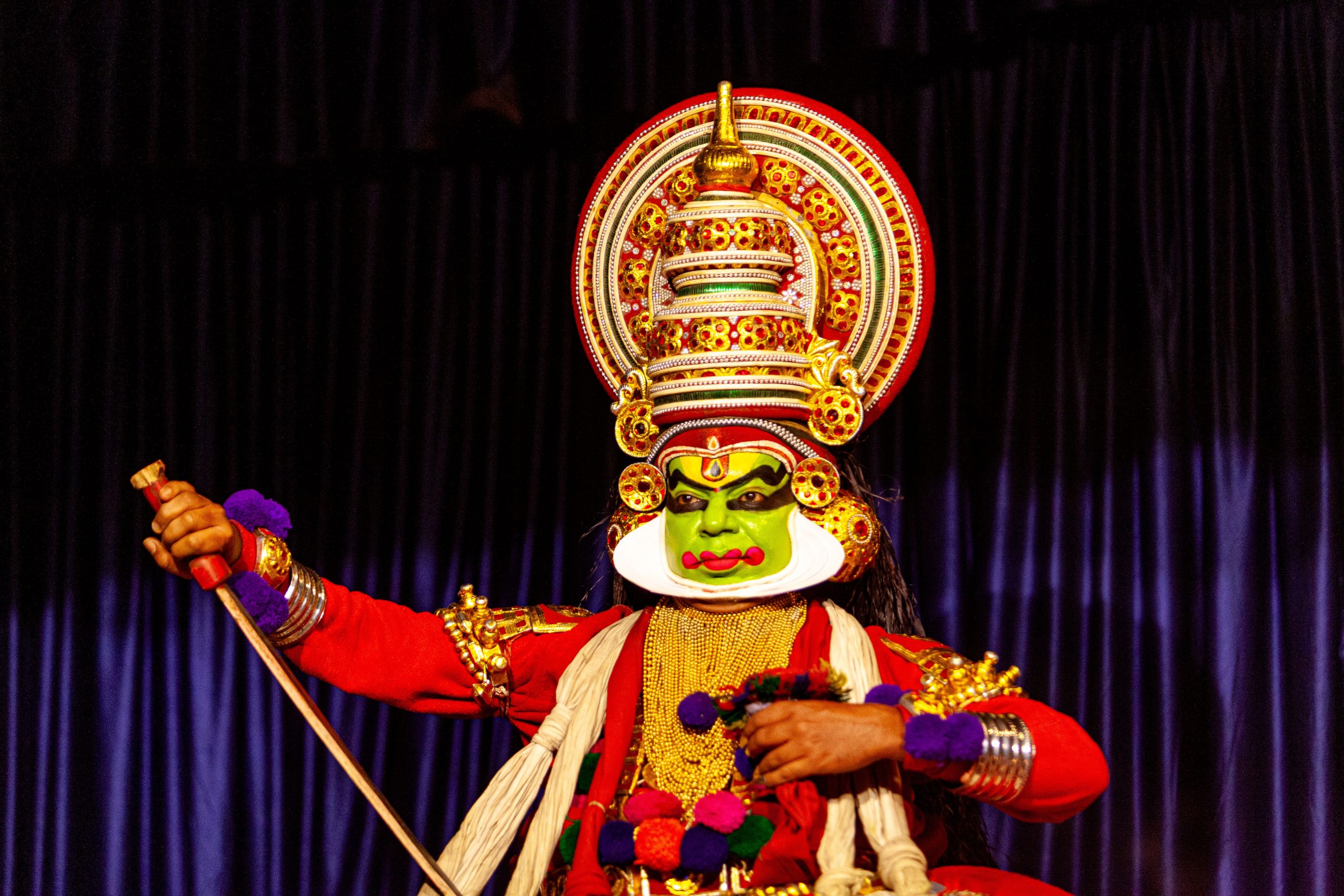
Official Kerala Piravi celebrations usually begin with flag hoisting at government offices, followed by cultural processions through major city centres. Ministers and local officials often attend formal functions, and schools hold assemblies where students perform patriotic songs and short skits about the state’s history. Beyond the formal ceremonies, the day comes alive through a few familiar activities:
- Classical dance forms: performances such as Mohiniyattam and Kathakali feature in cultural programmes. You can read more about where to watch Kathakali.
- Music recitals and art exhibitions: showcases of Kerala’s craftsmanship and artistic traditions.
- Food fairs: stalls serving regional specialities that differ from one district to the next.
The style of celebration changes from place to place. Thiruvananthapuram, as the state capital, hosts the largest official functions. Kochi tends towards cultural festivals and organised events. Kozhikode and other northern towns often favour community gatherings with a strong neighbourhood feel. Schools and residents’ associations organise many smaller celebrations, giving the day a grassroots character alongside the official programme.
| City or Region | Typical Event Style | Best For | Atmosphere |
|---|---|---|---|
| Thiruvananthapuram | Official flag hoisting, government functions | Seeing formal state ceremonies | Structured and formal |
| Kochi | Cultural festivals, exhibitions | Travellers who like organised events | Lively and busy |
| Kozhikode | Community gatherings, local processions | A local, neighbourhood feel | Warm and communal |
| Backwater villages (for example Alleppey, Kumarakom) | Small local functions | Quiet, low-crowd experiences | Intimate and personal |
This range means visitors can pick the kind of day they want. Those after scale and formality head to the capital, while those who prefer something smaller often find it in towns and backwater villages.
Where Are the Kerala Piravi Celebrations Liveliest?
Thiruvananthapuram’s official functions are the most prominent, drawing officials, performers and large crowds to the city centre. To see Kerala Piravi at full scale, the capital is the place to be. Smaller towns and backwater villages offer a different experience. Celebrations there are usually organised by local associations rather than government departments, which allows closer contact with residents and a slower pace.
Venues and timings shift a little every year. If you plan to attend next time, check local event listings or ask your accommodation a day or two ahead. Tourism offices and homestay hosts often know about nearby programmes that do not appear in wider listings.
What Made Kerala Piravi at 70 a Milestone?
A 70th anniversary carries more weight than a routine year. Round-number anniversaries usually bring larger processions, longer cultural programmes and exhibitions that look back on seven decades of statehood, and government departments and cultural bodies tend to plan extra events. Kerala’s tourism sector has also moved towards sustainable and responsible practices in recent years, and festival planning reflects this. Locally sourced food at event stalls, community-led programming and waste management at large gatherings are now part of how many events are organised.
How Can Travellers Take Part in Kerala Piravi?
The respectful approach is to watch first and join in where you are invited. Open cultural programmes, regional food and local vendors are the easiest ways in.
- Attend cultural programmes: public dance and music performances are usually open to everyone and give a direct view of Kerala’s artistic traditions.
- Try a sadya-style meal: many eateries serve banana-leaf meals around this time, in the style of Onam feasts, with a range of vegetarian dishes.
- Visit local markets and exhibitions: craft stalls and food fairs show regional specialities and handmade goods.
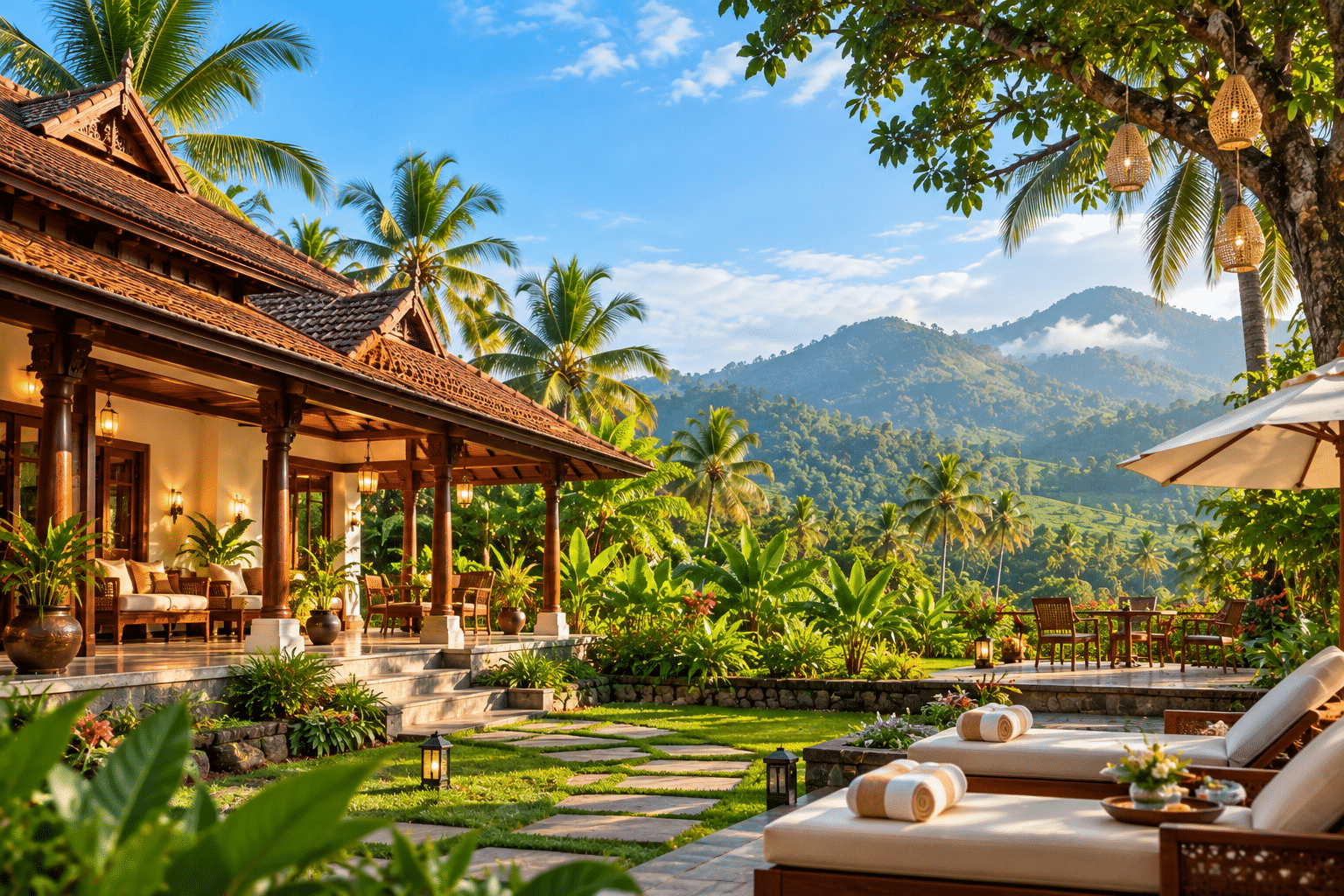
- Support local artisans and homestays: staying in community-run accommodation or buying directly from makers keeps money in the neighbourhoods hosting the celebrations. See our guide to community tourism and village homestays in Kerala.
- Dress modestly at formal events: official functions and gatherings near temples often call for conservative clothing.
Combining Kerala Piravi with Sightseeing and Outdoor Activities
Kerala Piravi falls at the start of the best season to visit Kerala. Winter runs from October to February, and by early November the summer heat and the heavy southwest monsoon rain have passed, although a few showers can linger. If you are working out the best time to visit Kerala, early November is a good starting point, and December to February is the driest stretch. Our guide to the best time to visit Kerala covers each season in detail.
A trip built around 1 November can easily include both sightseeing and outdoor activities:
- Kerala for sightseeing: in Thiruvananthapuram, you can visit the Sree Padmanabhaswamy Temple (which has a strict dress code), the Napier Museum and the city’s heritage buildings. Read about the history behind the Padmanabhaswamy Temple and the must-visit places in Thiruvananthapuram.
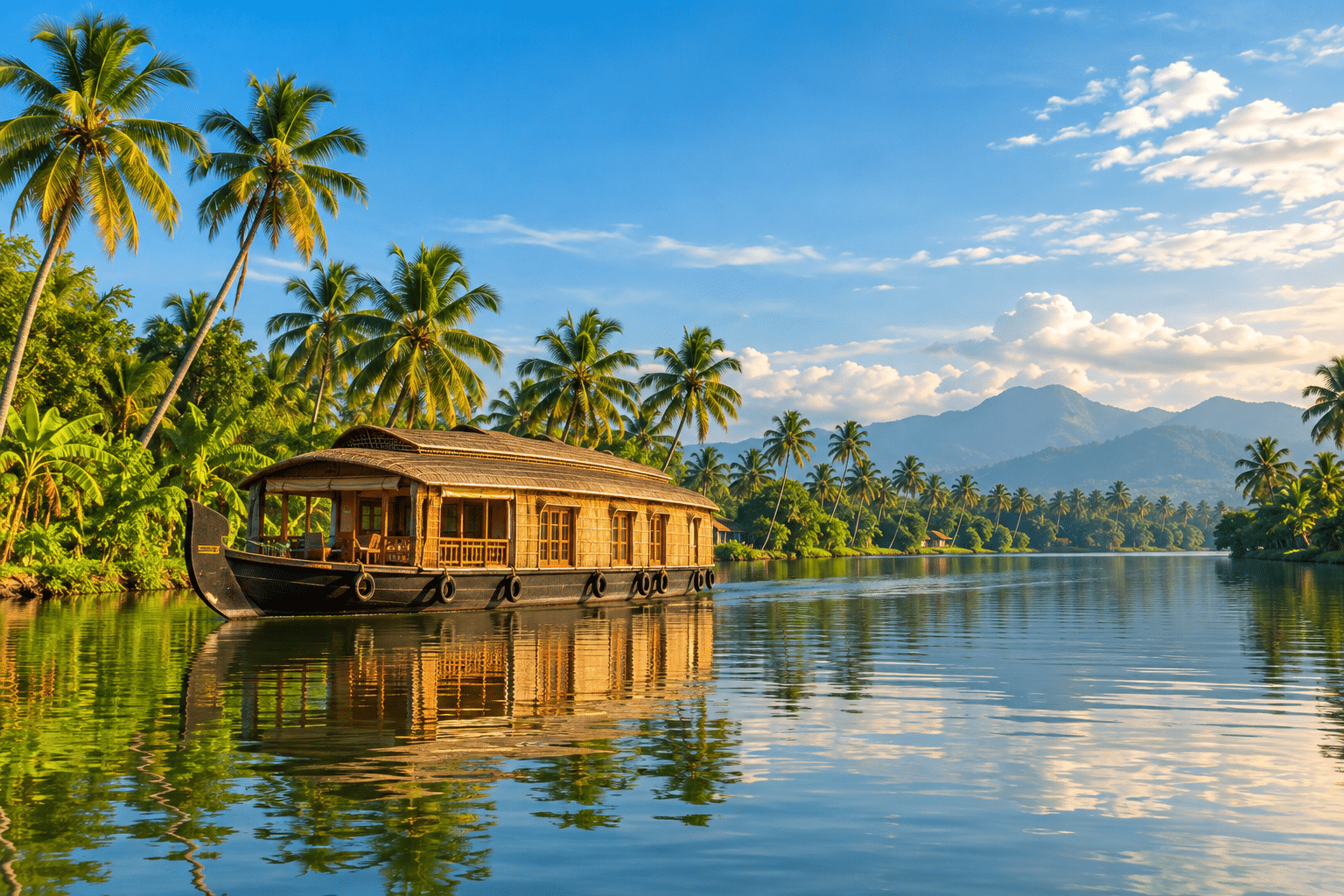
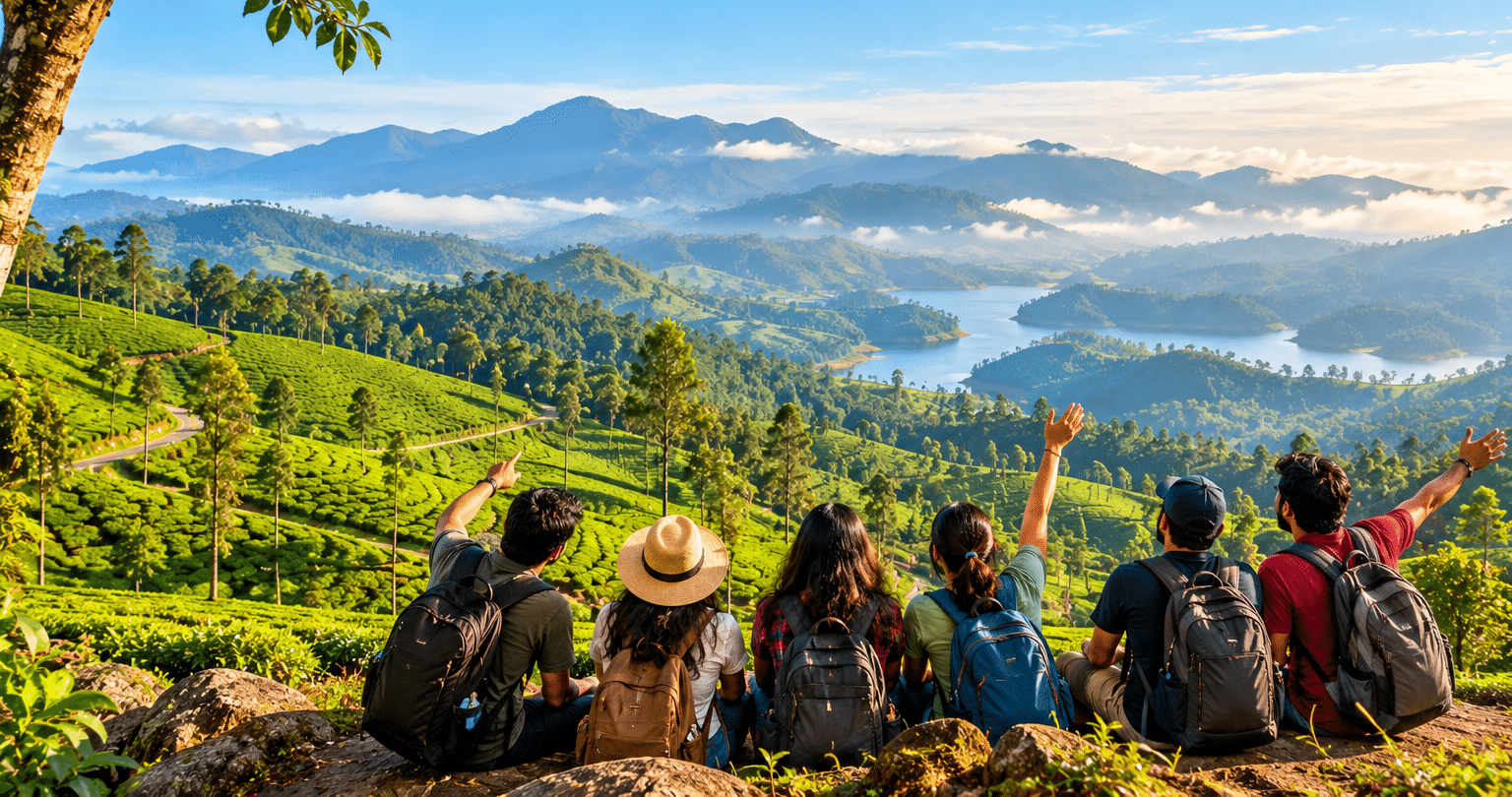
- Kerala for outdoor activities: from the capital you can head to Kovalam and Varkala for beach days, or travel on to Alleppey and Kumarakom for backwater cruises, and to Thekkady and Munnar for wildlife and walking. See what to expect in Kerala in November and the things to do in Kerala in November.
Plan Your Kerala Trip Around Kerala Piravi
Kerala Piravi reflects a state’s history, its pride in linguistic unity and a culture that is still very much alive. Seeing flag hoisting, local food fairs and neighbourhood processions in person gives a fuller picture of what Kerala values. Travellers who time a visit around 1 November often come away with a more community-led experience than those who visit in an ordinary week.
Paradise Holidays has worked in Kerala for 18 years, with a local network of homestay owners, cultural organisers and guides. If you would like to plan a trip around next year’s celebrations, explore our Kerala tour package options, or look at a curated Kerala Luxury Tour for a more private, comfortable journey.
Contact Paradise Holidays
For sales and general enquiries, our team is happy to help you choose the right season, dates and itinerary.
- Phone: +91 99478 76214 / +91 96337 88866
- Email: info@paradise-kerala.com
- Website: www.paradise-kerala.com
- Address: Paradise Holidays (Unit of Raveendra Hospitality Pvt. Ltd.), Paradise Towers, East Kadungalloor, Aluva, Ernakulam, Kerala 683102
Frequently Asked Questions About Kerala Piravi
Kerala Piravi, or Kerala formation day, marks the formation of the state of Kerala on 1 November 1956.
It is observed every year on 1 November.
The States Reorganisation Act of 1956 redrew Indian states along linguistic lines and took effect on that date. Kerala was formed as the state for Malayalam speakers.
Travancore-Cochin, the Malabar district of the former Madras Presidency, and the Kasaragod taluk of South Canara.
Yes. Public cultural programmes, food fairs and exhibitions are generally open to visitors. Check local listings for exact venues and timings.
Yes. It marks the start of the main travel season, with pleasant weather, though some showers are possible. Book early for December and January.