
The Ultimate Kerala Tea Trail: A Journey Through Kerala’s Historic Tea Regions
- The months from September to March are popular for comfortable weather, clearer views, and pleasant road travel.
- Paradise Holidays’ on-ground knowledge becomes useful here, especially during peak seasons when traffic, weather, and estate access can affect the order of sightseeing.
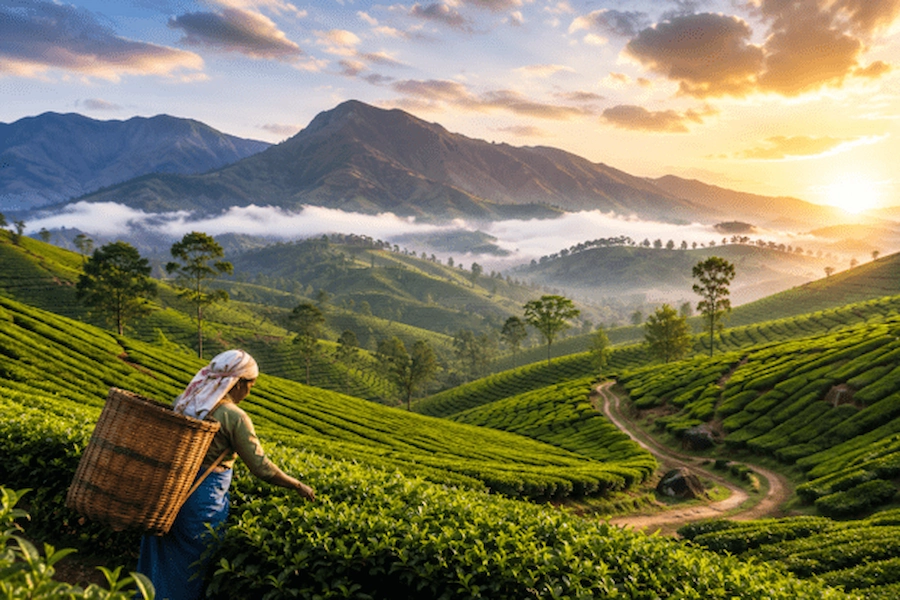
- Narrow roads cut between estates, and workers can often be seen moving through the slopes with baskets during plucking hours.
- The monsoon months, roughly June to August, bring deep green landscapes, moving mist, and fuller waterfalls.
- Travellers who enjoy atmospheric weather may still find this season beautiful, provided the itinerary stays flexible.
In Kerala’s high ranges, tea is not just part of the scenery. It shapes the roads, the weather, the rhythm of old estate towns, and even the way mornings begin. One hillside may carry the clipped symmetry of a working plantation; another may open to mist, forest, and the faint scent of fresh leaves after rain.
The tea plantations in Kerala are often spoken about through Munnar, and rightly so. But the real tea trail stretches further, across historic Kerala tea estates, quieter hill roads, museum towns, high-altitude gardens, and borderland plantations that have shaped the region’s identity for generations.
This journey is less about ticking off viewpoints and more about reading the landscape with care. From the busy charm of Munnar tea plantation routes to the calmer tea gardens in Kerala’s lesser-known pockets, each stop reveals a different side of the hills, the people, and the long story behind every cup.
Why Kerala’s Tea Trail Feels Different
Unlike the sprawling tea belts of Assam or Darjeeling, the tea gardens in Kerala occupy a vertical world. Estates here climb from 1,000 to over 2,600 metres above sea level. The altitude changes everything: temperature, rainfall, flavour, even the pace of life. The terrain is dramatic. Shola forests cling to valleys. Streams cut through estates. Wildlife corridors run between plantations, making this one of the few tea regions in the world where leopards and elephants still move freely.
But what truly sets Kerala’s tea estates apart is their integration with the landscape. These aren’t monoculture operations. Many estates maintain biodiversity corridors, protect watersheds, and employ families who’ve worked the same land for generations. It’s agriculture, but with a conscience.
Paradise Holidays works closely with several estate managers across Munnar and the surrounding highlands. This local knowledge ensures travellers don’t just see the usual viewpoints. They visit working estates, meet plantation staff, and understand the full cycle from bush to cup.
Munnar: The Heart of Kerala’s Tea Country
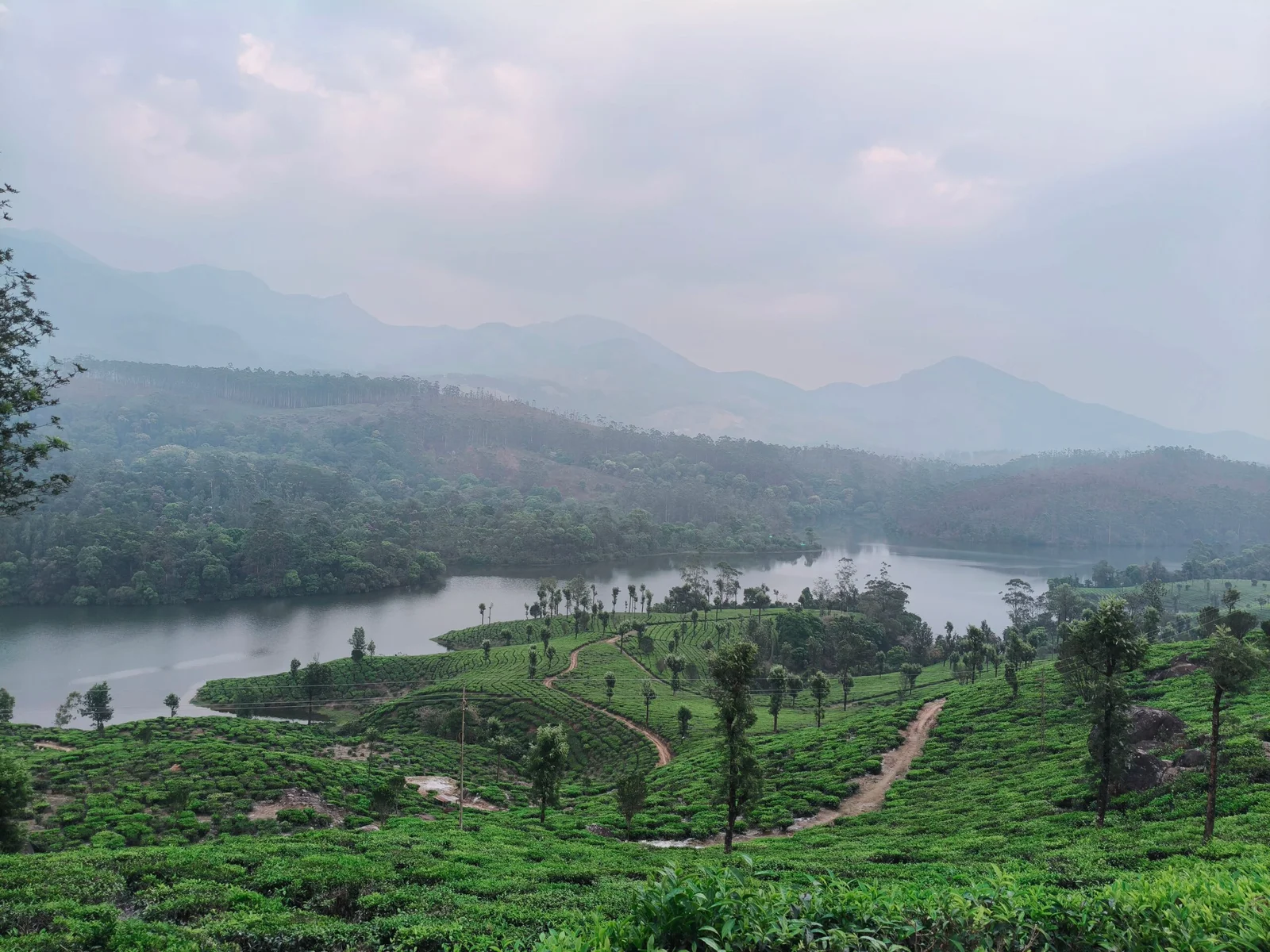
Munnar is the natural starting point for most tea journeys. Set around 1,600 metres above sea level, it grew into a plantation town because of its cool climate, fertile slopes, and access to the surrounding high ranges.The Munnar tea plantation landscape is instantly recognisable. Tea bushes cover rolling hills in tight green patterns. Narrow roads cut between estates, and workers can often be seen moving through the slopes with baskets during plucking hours. Yet Munnar has more than one viewpoint. It is a cluster of estate regions, each with a slightly different mood.
Munnar Tea Gardens
The broad Munnar tea gardens near town are ideal for first-time visitors. They are easy to access, scenic, and suitable for travellers who want classic photographs without taking difficult routes. Early morning is the best time to visit. The light stays soft, mist moves slowly across the slopes, and the roads are quieter. By late morning, popular stops can get crowded, especially during holiday periods. For a richer experience, avoid treating the tea gardens as a quick photo stop. Spend time noticing the details: the trimmed height of the bushes, the narrow channels between rows, the damp scent of leaves, and the way shade trees break the geometry of the slopes.
Kannan Devan Hills and the Tea Museum
The Kannan Devan Hills are central to Munnar’s tea history. The region’s plantation story dates back to the late nineteenth century, when large-scale tea cultivation took shape under colonial-era planters. Today, the KDHP Tea Museum, also known as the Kannan Devan Hills Plantation Tea Museum, gives travellers a useful introduction to this history. It explains the evolution of tea cultivation, processing, machinery, and the transformation of Munnar into a plantation region. This is one of the most worthwhile stops for travellers who want context before exploring the estates. The museum setting near the tea gardens also helps visitors connect the landscape outside with the production process inside. A practical approach is to visit the museum early in the trip. Once travellers understand plucking, rolling, drying, grading, and tasting, the surrounding kerala tea estates become easier to appreciate.
Nallathanni Estate: Where Tea History Feels Close
Nallathanni Estate, near Munnar town, is closely associated with the Tea Museum and the wider plantation story of the region. It is a convenient stop for travellers who want both scenery and learning without a long drive. This area works well for families, older travellers, and anyone short on time. The roads are easier than remote estate routes, and the museum visit adds depth to the tea trail. Tea tasting experiences may vary by season, operator, and availability, so it is better to confirm locally before planning the day around them. A trusted local travel team can help check timings, access rules, and realistic travel durations. Paradise Holidays’ on-ground knowledge becomes useful here, especially during peak seasons when traffic, weather, and estate access can affect the order of sightseeing.
Chinnakanal Tea Fields: Quieter Slopes Near Munnar
Chinnakanal lies away from the busiest parts of Munnar and offers a calmer tea landscape. The tea fields here feel more open, with wider valleys, quiet roads, and a softer pace. This area suits travellers who prefer unhurried drives over crowded viewpoints. The slopes around Chinnakanal often feel less staged than the main tourist spots. There is space to pause, look across the valley, and hear more than passing vehicles. Nearby areas such as Anayirangal add another layer to the route, with reservoirs, hill views, and estate roads. A half-day plan works well: leave Munnar after breakfast, explore Chinnakanal’s tea fields, add a nature stop, then return before evening mist thickens. The roads can become slippery during rain, so travellers should avoid overloading the day with too many stops. In the hills, a shorter plan often feels better than a long checklist.
Kolukkumalai: The High-Altitude Edge of the Tea Trail
Kolukkumalai is often described as one of the most dramatic tea experiences near Munnar. It is known for its high-altitude tea estate, rugged jeep route, sunrise views, and old-style tea factory. There is one important detail travellers should know. Kolukkumalai is commonly visited from Munnar and often included in Kerala itineraries, but it lies across the border in Tamil Nadu’s Theni district. For travellers, the journey still begins from the Munnar side, usually through Suryanelli. The route is rough and typically requires a jeep. This is not a casual roadside tea garden visit. It suits travellers who are comfortable with bumpy mountain drives and early starts. The reward is a landscape that feels sharper and more exposed than central Munnar. On clear mornings, the ridges seem to float above layers of cloud. Tea bushes cling to steep slopes, and the air feels thin, cool, and intensely fresh. Kolukkumalai is best planned with care. Weather can affect visibility, road comfort, and overall experience. It is not ideal for very young children, travellers with back issues, or anyone who dislikes rough terrain.
How to Experience Tea Beyond the Viewpoints
A good Kerala tea trail should include more than scenic stops. The most rewarding journeys help travellers understand tea as a crop, a craft, and a culture.
Visit a Working Tea Factory or Museum
A factory or museum visit explains what happens after leaves are plucked. Travellers can see how tea moves through stages of withering, rolling, oxidation, drying, sorting, and grading. This gives context to the differences between tea types. It also helps travellers understand why freshness, altitude, leaf quality, and processing methods matter.
Walk Only Where Access Is Allowed
Many tea gardens look open, but they are working estates. Travellers should avoid stepping into private sections without permission. Tea bushes are part of a managed agricultural system, not just a scenic background. Use designated walking routes, guided estate visits, or viewpoints where access is clearly permitted. Responsible travel protects both the plantation and the people who work there.
Taste Tea Slowly
Tea tasting in Munnar is not about rushing through cups. Notice colour first, then aroma, body, bitterness, and finish. Some teas taste brisk and bright. Others feel fuller, darker, or more floral. Buying tea locally can be a meaningful souvenir, but choose sealed packets from reliable outlets. This helps ensure freshness and traceability.
Best Time to Explore Tea Plantations in Kerala
Kerala’s tea regions can be visited for most of the year, but each season changes the experience.
The months from September to March are popular for comfortable weather, clearer views, and pleasant road travel. Mornings and evenings can feel cool, especially in higher areas.
April and May can still be enjoyable in Munnar because of the elevation, though afternoons may feel brighter and busier due to holiday travel.
The monsoon months, roughly June to August, bring deep green landscapes, moving mist, and fuller waterfalls. However, rain can affect visibility, road conditions, and outdoor plans. Travellers who enjoy atmospheric weather may still find this season beautiful, provided the itinerary stays flexible. For photography, early mornings work best in most seasons. For relaxed estate drives, avoid peak traffic hours and return before fog reduces visibility.
Suggested Kerala Tea Trail Itinerary
A well-paced tea trail does not need to cover everything in one day. Three days around Munnar can offer a balanced introduction.
Day 1: Arrive in Munnar and Explore Nearby Tea Gardens
Reach Munnar, settle in, and keep the first day light. Visit nearby tea viewpoints, enjoy a short estate-side drive, and let the body adjust to the altitude and winding roads. This is also a good day for a gentle walk, provided the weather is clear and access is permitted.
Day 2: Tea Museum, Kannan Devan Hills, and Mattupetty Side
Begin with the KDHP Tea Museum to understand Munnar’s tea heritage. Continue towards scenic estate roads around the Kannan Devan Hills, with optional stops near Mattupetty if time allows. This day works well for travellers who want history, landscape, and accessible sightseeing in one route.
Day 3: Chinnakanal or Kolukkumalai
Choose based on travel style. Chinnakanal suits a slower, quieter day with gentle estate views. Kolukkumalai suits travellers who want a high-altitude adventure and do not mind a rough jeep ride. Trying to do both in a rushed manner can reduce the pleasure of the journey. A customized itinerary from Paradise Holidays can help match the route to fitness levels, interests, and season.
Practical Tips for Planning a Kerala Tea Trail
- Carry a light jacket, even outside winter. Munnar mornings can feel colder than expected, especially after rain.
- Wear shoes with grip. Estate paths, viewpoints, and parking areas can become muddy or slippery.
- Start early for Kolukkumalai and remote estate routes. Late starts often mean stronger sun, more traffic, or reduced visibility.
- Check museum and factory timings before visiting. Weekly closures and maintenance schedules can change.
- Respect workers’ privacy. Do not photograph people closely without permission.
- Avoid littering in estate areas. Munnar’s fragile hill environment faces pressure from heavy tourism, so low-waste travel matters.
- Use local guidance for route sequencing. Distances in the hills can be misleading, and short routes may take longer than expected.
Responsible Travel Through Kerala Tea Estates
The tea plantations in Kerala are beautiful, but they are also workplaces and sensitive hill landscapes. Responsible tourism means slowing down, using approved paths, reducing plastic waste, and respecting estate rules. It also means choosing experiences that support local communities rather than treating the region as a backdrop. A guided visit, a museum ticket, a locally run stay, or a careful purchase from a trusted outlet can make the journey more grounded. Paradise Holidays places this kind of local awareness at the centre of Kerala planning. The aim is not only to show travellers where to go, but to help them experience the destination with care.
Conclusion: Following the Leaf Through the Hills
A Kerala tea trail is not a single destination. It is a gradual unfolding of altitude, weather, labour, history, and taste. Munnar gives the journey its classic green sweep. Kannan Devan Hills adds heritage. Nallathanni brings the story closer. Chinnakanal slows the pace. Kolukkumalai lifts the experience to a wilder edge of the mountains. Together, these places remind travellers that tea is not just something poured into a cup. In Kerala’s high ranges, it is shaped by mist, soil, hands, roads, rain, and time. Follow the leaf through these hills, and the landscape begins to feel less like a view and more like a story still being brewed.