
Inside Kerala’s Heritage Palaces and Converted Royal Residences You Can Stay In
- Coastal heritage properties may feel more comfortable than inland locations, but travellers should still expect warm days and plan slower itineraries.
- Paradise Holidays often includes it on routes that combine backwaters with hill stations, providing contrast without over-programming.
- December to February:These months offer cooler evenings and more comfortable weather.
- October to November:Post-monsoon is one of the best times to visit.
- This resort suits travellers who want culture, food, nature, and architecture in one place.
Kerala’s aristocratic families once ruled from ornate palaces tucked into spice-scented hills and riverbanks. Many of these ancestral homes now welcome travellers, transforming centuries-old architecture into intimate stays that blur the line between history and hospitality. Sleeping in a heritage hotel in Kerala means waking to the same views that once greeted maharajas, now with modern comforts discreetly woven into the experience.
For those seeking more than standard luxury, these heritage hotels in Kerala offer something genuinely distinctive. Rooms where royalty once resided, antique furnishings that tell family stories, and a sense of place you simply can’t replicate in contemporary builds.
What Makes Kerala’s Heritage Hotels Different from Standard Luxury
Most luxury hotels in Kerala deliver polished service and scenic settings. Heritage properties add layers of authenticity that can’t be manufactured.
- The difference starts with architecture. Original Malabar teak pillars, traditional nalukettu courtyard designs, Belgian glass windows, and hand-painted ceilings reflect craftsmanship from another era. These aren’t decorative touches. They’re structural elements that shape how light falls, how air moves, and how spaces feel.
- Then there’s provenance. Many heritage hotels remain in the hands of descendant families who grew up within these walls. Their personal collections of antique furniture, vintage photographs, and heirloom silverware furnish the rooms. Conversations over breakfast might include stories about ancestors who hosted British governors or independence movement leaders.
- Scale matters too. Unlike sprawling 5-star hotels in Kerala with hundreds of rooms, heritage properties typically house between six and twenty guests. This intimacy allows for personalised attention that larger resorts struggle to match.
- Finally, location. Royal families built palaces in places of strategic or aesthetic importance. Hilltops with commanding views, riverbanks ideal for trade, or forest edges rich with game. These settings often feel more secluded and atmospheric than modern resort zones.
Exploring Kerala’s Heritage Palaces
Neemrana’s Malabar House, Fort Kochi
This 18th-century manor sits in the heart of Fort Kochi’s heritage quarter. Dutch and Portuguese influences mingle with traditional Kerala design across its courtyard layout. The property features just seventeen rooms, each named after spices that once made Kochi wealthy. Period furniture coexists with contemporary art. The pool, a modern addition, tucks discreetly into the garden without disrupting the building’s character. What sets it apart: The rooftop restaurant serves Malabar cuisine rarely found in tourist-facing establishments. Breakfast might include pathiri (rice pancakes) with fish curry rather than generic continental spreads.
Bolgatty Palace and Island Resort, Kochi
Bolgatty Palace is one of Kerala’s most recognisable palace stays. Set on Bolgatty Island in Kochi, it is associated with Dutch colonial history and is now run as a heritage hotel by KTDC. The setting is part of its appeal. The property sits close to the water, away from the thickest city traffic, yet remains within reach of Fort Kochi, Mattancherry, Marine Drive, and central Ernakulam.
The experience is not the same as a small boutique palace hideaway. It is a larger heritage hotel setting, with resort-style facilities and event spaces. Travellers expecting museum-like stillness may need to adjust expectations. Those who want a convenient Kochi heritage base may find it practical.
CGH Earth’s Malabar Escapes
CGH Earth operates several converted heritage homes across Kerala, each with a distinct character. Their Malabar properties include some real gems. Kannur Beach House is a 1940s tile factory owner’s residence, transformed into a four-bedroom villa right on Payyambalam Beach. Families often book the entire property for privacy. Ayatana sits among Coorg’s coffee estates near the Kerala border. This property blends plantation-era architecture with tribal Kodava design elements. It’s technically across the state line but serves travellers exploring northern Kerala’s hill regions.
Kalari Kovilakom, Kollengode
This 19th-century palace belonged to the Vengunad royal family. It’s now an Ayurvedic healing village, which means the experience differs significantly from typical heritage hotels. Guests follow prescribed wellness routines. Pre-dawn yoga, Ayurvedic treatments, medicinal meals, and early bedtimes. Modern distractions like alcohol, caffeine, and even processed sugar are absent. Mobile signals are weak.
The palace architecture remains largely intact. Treatment rooms occupy former royal chambers. Courtyards serve as meditation spaces. It’s not for everyone, but those seeking serious wellness work find the setting profoundly effective.
Xandari Pearl, Mararikulam
While not a palace, this 150-year-old tharavadu (ancestral home) beautifully showcases Nair architecture. The family converted it into a three-villa property set among paddy fields. Traditional elements such as the central courtyard, wooden pillars, and terracotta roof tiles are combined with contemporary design interventions by Xandari’s architects. The result feels both rooted and refreshing. Location matters here. Mararikulam Beach remains relatively uncommercialized. Village life continues around the property. It’s genuinely peaceful, especially during the monsoon, when the green intensifies and the rain drums on those old tiles.
Windermere Estate, Munnar
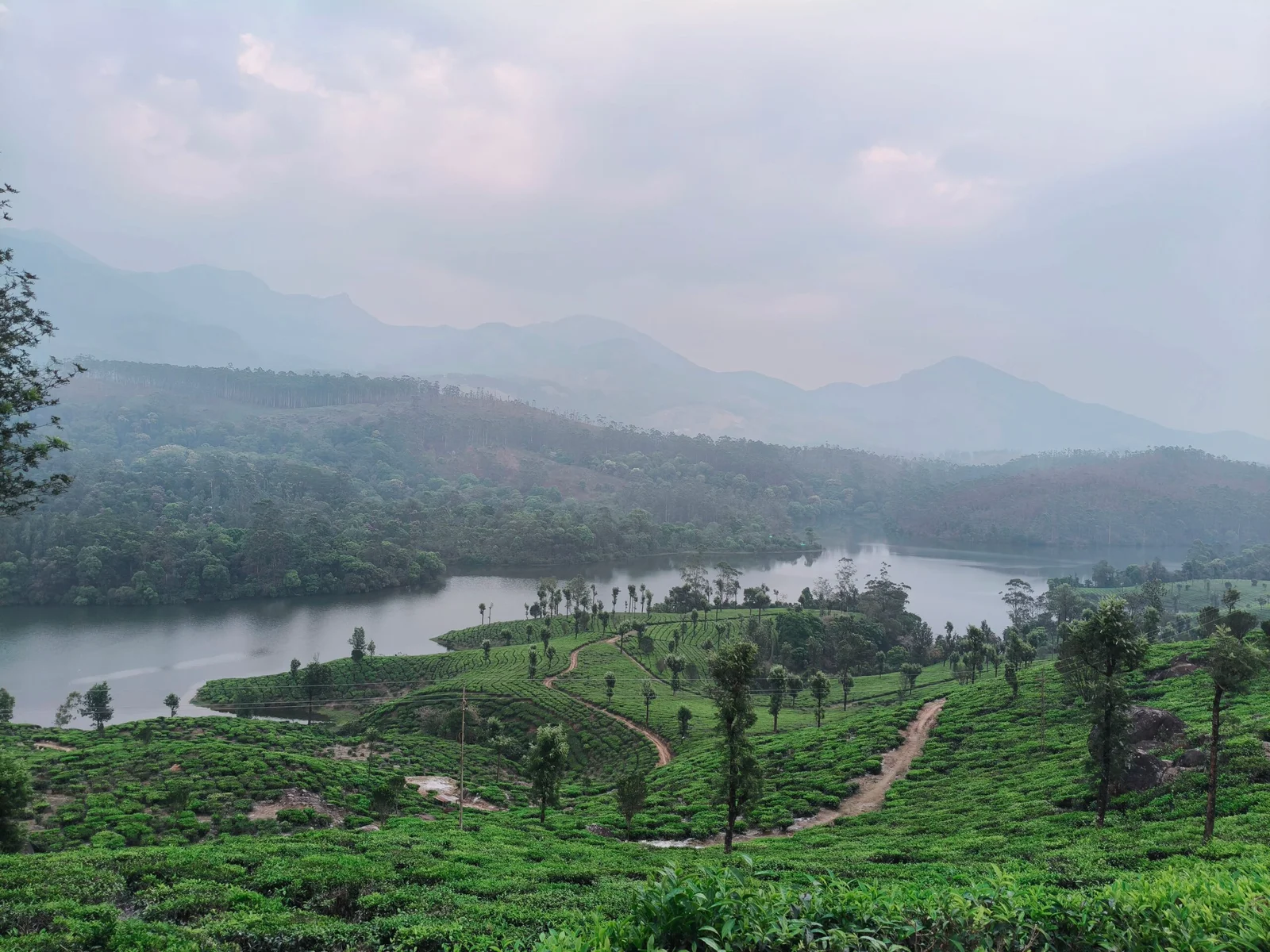
This working tea and cardamom plantation offers heritage cottages dating to the colonial era. Wide verandas, fireplaces, and period furnishings create an atmosphere of refined rusticity. What distinguishes Windermere is access. Guests can walk tea trails with estate workers, visit the cardamom drying shed, or simply sit on the veranda watching mist roll through the valleys. The estate still functions commercially, so you’re observing real agricultural work, not staged demonstrations. The property is one of the top resorts in Kerala for those seeking both heritage character and a hill-station climate without the tourist congestion of Munnar town.
Brunton Boatyard, Fort Kochi
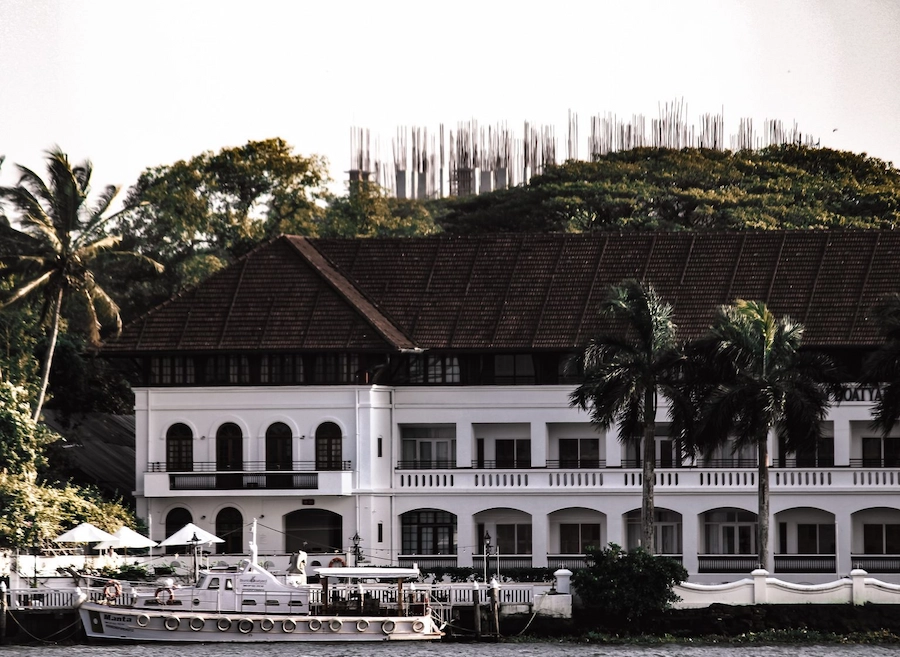
Brunton Boatyard is not a royal palace, but it belongs firmly in Kerala’s heritage-hotel conversation. Set in Fort Kochi, it draws from the area’s maritime and colonial history. The location is a major strength. Travellers can explore the Chinese fishing nets, St Francis Church, Santa Cruz Basilica, art cafés, spice warehouses, and Mattancherry’s lanes with relative ease.
Its waterfront setting makes it especially atmospheric at dusk, when ferry sounds, harbour lights, and sea breeze soften the day. This stay suits travellers who value location, history, architecture, and walkable access.
Taj Kumarakom Resort & Spa, Kumarakom
Taj Kumarakom is built around an old bungalow with roots dating back to the late 19th century. Today, it functions as a polished lakefront resort with villas, cottages, gardens, and luxury hospitality. Its location near Vembanad Lake makes it easy to combine with boat rides, bird sanctuary visits, Ayurveda sessions, and slow meals by the water. Among 5-star hotels in Kerala, Taj Kumarakom is well-suited for guests seeking a heritage atmosphere in a refined resort setting. It is less about palace grandeur and more about lakeside legacy.
The Leela Ashtamudi – A Raviz Hotel, Kollam
The Leela Ashtamudi, A Raviz Hotel, presents a heritage-inspired luxury resort experience by Ashtamudi Lake. Its architecture draws from traditional Kerala design, including nalukettu-style elements, tiled roofs, verandahs, and lake-facing spaces. This stay is better understood as a luxury resort with heritage character rather than a converted royal residence. That distinction matters for traveller expectations. It works well for guests who want a more resort-led holiday, with lake views, dining, wellness, and curated experiences. Families, couples, and leisure travellers may find it easier than in smaller heritage hotels.
Coconut Lagoon, Kumarakom
Coconut Lagoon takes a more architectural approach to heritage. The resort is known for its traditional Kerala tharavad-style structures and access to the backwaters. Its design reflects the domestic architecture of old Kerala, with wood, tile, courtyards, and shaded spaces. Reaching the property by boat helps separate the stay from the pace of the road. This resort suits travellers who want culture, food, nature, and architecture in one place. It also works well for those interested in responsible hospitality and local design.
Bracket’s Bungalow, Vagamon
Less known than Munnar, Vagamon offers similar elevations with far fewer visitors. Bracket’s Bungalow dates to the 1920s when British planters developed the region. Only three rooms mean booking requires planning. The pay-off: near-total privacy in a valley setting that feels remarkably untouched. No televisions, no wifi in rooms, just fireplaces, books, and meadows. It’s ideal for travellers who want to disappear for a few days. Paradise Holidays often includes it on routes that combine backwaters with hill stations, providing contrast without over-programming.
Poovar Island Resort, Kulathoor
While primarily a luxury resort, Poovar incorporates heritage cottages modelled on traditional Travancore architecture. The setting, where backwaters meet the Arabian Sea, rivals any location in Kerala. The heritage cottages feature carved wooden doors, antique-reproduction furniture, and open-air bathrooms with views over the water. Modern amenities hide behind traditional facades.
Niraamaya Retreats Surya Samudra, Kovalam
Perched on cliffs above Kovalam, this property assembled traditional Keralan homes from across the region. These weren’t replicas. Actual heritage structures were dismantled, transported, and reconstructed on this coastal site. Each cottage represents a different architectural style. Fisher folk homes, merchant houses, and landowner residences. Interiors blend antique elements with contemporary comforts. The clifftop location provides dramatic sea views. Multiple private coves offer swimming away from Kovalam’s main tourist beaches. It’s consistently rated among the best resorts in Kerala for its combination of heritage character, natural setting, and service quality.
What to Expect: The Reality of Heritage Stays
Heritage properties deliver unique experiences, but travellers should understand what sets them apart from conventional luxury hotels.
- Room configurations vary widely. Some heritage hotels retain original room sizes, so spaces may be smaller or oddly shaped compared to purpose-built hotels. Others are genuinely palatial. Check specific room details before booking.
- Modern amenities integrate differently. Air conditioning, Wi-Fi, and updated bathrooms are usually available, but installations must respect the heritage architecture. This sometimes means compromises like less powerful air conditioning or bathrooms added in former storage spaces.
- Ambient noise works differently, too. Wooden buildings transmit sound in ways concrete structures don’t. Footsteps on teak floors echo. This creates an atmosphere but means less sound insulation than modern construction.
- Climate control follows similar patterns. Thick walls, high ceilings, and natural ventilation suited pre-air-conditioning life beautifully. With climate control added, these buildings often feel cooler and more comfortable than contemporary designs, but systems may work harder in extreme heat.
When to Visit: Planning Your Heritage Hotel Experience
- June to September:
The monsoon adds a strong sense of atmosphere to Kerala’s heritage properties, with rain on terracotta roofs, misty courtyards, and lush surroundings. However, humidity can feel heavy for some travellers, even with air conditioning. - October to November:
Post-monsoon is one of the best times to visit. The surroundings look fresh, green and revived after the rains, making heritage stays feel especially scenic. - December to February:
These months offer cooler evenings and more comfortable weather. Hill heritage properties are particularly pleasant during this period, especially those with fireplaces or open courtyards. - April to May:
This is the hottest period in Kerala. Coastal heritage properties may feel more comfortable than inland locations, but travellers should still expect warm days and plan slower itineraries.
Responsible Tourism in Heritage Properties
Existing buildings avoid the environmental costs of new construction. Many heritage properties were built with passive cooling, rainwater harvesting, and natural materials. Sustainable practices now being rediscovered. Employment patterns often favour local communities. Smaller heritage hotels employ staff from surrounding villages rather than importing hospitality professionals from cities. However, not all heritage properties operate with equal responsibility. Some prioritise authenticity over sustainability. Others modernise without sensitivity to the original character. Paradise Holidays vets properties for both heritage integrity and responsible practices. Their curated selection considers environmental impact, community benefit, and authentic preservation rather than just aesthetic appeal.
When a Stay Becomes Part of the Story
Kerala’s heritage hotels are not frozen relics. They are living spaces shaped by rain, timber, water, trade, family histories, and changing ideas of comfort. Heritage hotels focus on architecture, history, setting, and local character. Luxury hotels in Kerala may offer modern rooms, larger facilities, and standardised services. Some properties combine both, offering heritage ambience with the comfort expected from premium Kerala luxury resorts.
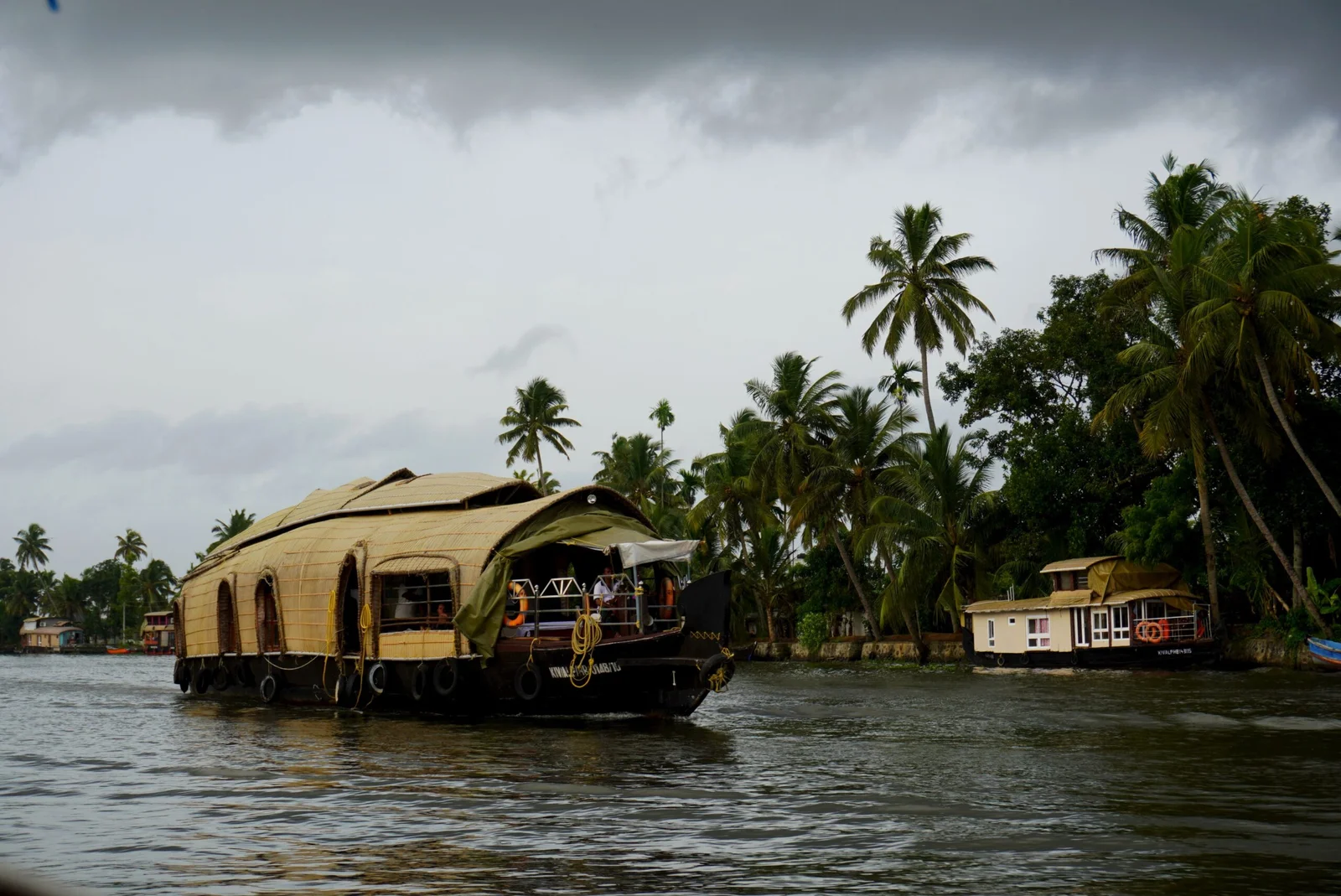
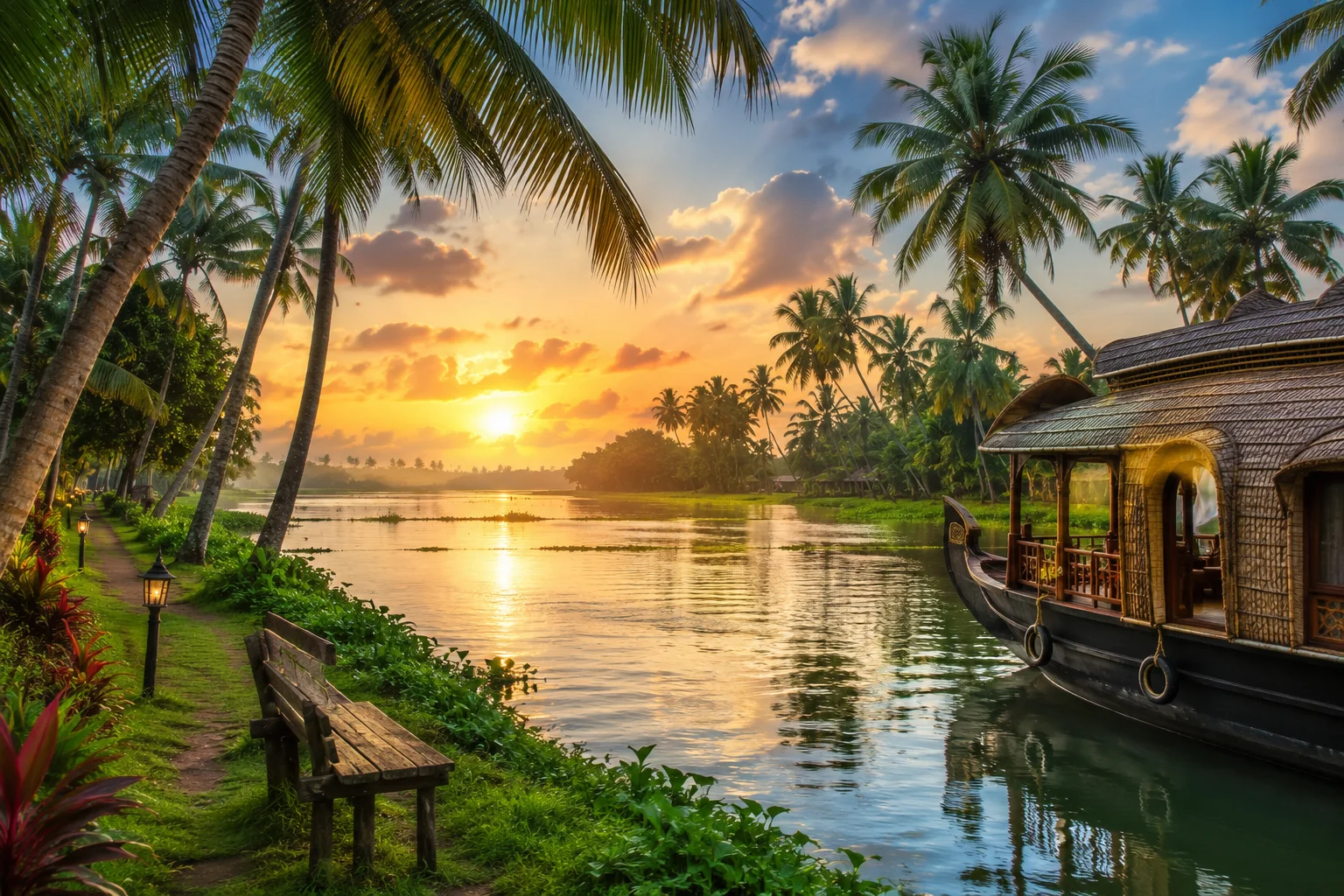
A palace by the backwaters, a colonial bungalow near a lake, a tharavad rebuilt with care, or a nalukettu-style resort can each reveal a different Kerala. The choice depends on what kind of silence, service, history, and landscape a traveller wants around them. The most memorable stays here rarely announce themselves loudly. They wait in shaded courtyards, along quiet canals, behind old doors, and beside lamps lit at dusk. In those moments, Kerala feels less like a destination to cover and more like a place to inhabit, even if only for a few nights.